Category: CRE Marketing

  • ScoutSpace Review: Interactive property presentations and automated AI market surveys for commercial brokers

    ScoutSpace Review: Interactive property presentations and automated AI market surveys for commercial brokers

    BestCRE 9AI Score

    67/100 · Niche

    ScoutSpace ranks #236 of 295 commercial real estate AI tools scored on the 9AI Framework.

    ScoutSpace is a commercial real estate marketing and presentation platform designed specifically for brokers to generate interactive property surveys, tour books, and broker opinions of value. Founded by John Harlan and based in Buena Vista, Colorado, the company recently secured venture capital funding from Howdy Partners and Ark Angels to expand its twelve-person operation. As of August 2026, the software targets the notorious inefficiency of tenant-rep engagements, replacing static PDF attachments with dynamic, trackable web links. By focusing exclusively on the commercial real estate sector, ScoutSpace aims to eliminate the manual data entry that plagues traditional survey creation. The platform incorporates a proprietary artificial intelligence feature named ScoutMagic, which extracts property details directly from marketing flyers and offering memorandums to populate client deliverables automatically.

    For a commercial real estate principal or analyst evaluating presentation software, ScoutSpace represents a shift from general-purpose design tools to industry-specific workflow automation. Rather than simply making documents look attractive, the system attempts to centralize a brokerage team’s proprietary market knowledge. It includes a shared comps database designed to ingest transaction data via AI, theoretically ending the reliance on disparate spreadsheets scattered across a firm. Furthermore, the platform tracks client engagement, providing brokers with analytics on which properties a client viewed or skipped. While the startup is relatively young and operates with a small team in rural Colorado, its specialized feature set addresses concrete pain points in the tenant-rep lifecycle, from initial market surveys to drive-time analysis and final tour books.

    What ScoutSpace does and how it works

    ScoutSpace functions primarily as an automated presentation builder and centralized data repository for commercial real estate brokerages. The core mechanic revolves around generating client-ready deliverables—such as market surveys, tour books, and broker opinions of value (BOVs)—in a fraction of the time required by traditional methods. Users upload standard property flyers, PDFs, or market reports into the system. The platform’s artificial intelligence engine, ScoutMagic, scans these documents to extract critical property data, including square footage, lease rates, and building amenities. This extracted data instantly populates standardized, co-branded templates that brokers can then organize using the Building Groups feature, which categorizes properties to help clients compare options side-by-side.

    Beyond basic document creation, ScoutSpace incorporates spatial and demographic analytics directly into the presentation workflow. The software features a built-in drive-time analysis tool that generates 5-, 10-, and 15-minute commute zones around prospective office locations. This allows tenant-rep brokers to visually demonstrate workforce accessibility without needing expensive, complex geographic information systems. All of these deliverables are shared with clients via interactive web links rather than static email attachments. Consequently, brokers receive backend engagement analytics, revealing exactly when a client opens a survey, which specific buildings they focus on, and which properties they ignore completely.

    Underpinning these presentation features is a shared comps database intended to serve as a single source of truth for a brokerage team. Instead of individual agents maintaining isolated spreadsheets, the platform uses AI to ingest new comparable lease and sale data into a centralized, searchable hub. When a broker needs to build a new BOV or comp set, they query this internal database, select the relevant properties, and the software automatically formats them into the final client presentation. This creates a closed-loop system where historical market data continuously feeds new client pitches.

    9AI Framework: the score, dimension by dimension

    Dimension Score
    CRE Relevance 9/10
    Data Quality and Sources 7/10
    Ease of Adoption 8/10
    Output Accuracy 7/10
    Integration and Workflow Fit 6/10
    Pricing Transparency 3/10
    Support and Reliability 6/10
    Innovation and Roadmap 8/10
    Market Reputation 6/10
    Composite 9AI Score 67/100

    CRE Relevance — 9/10

    ScoutSpace is explicitly engineered for the commercial real estate industry, avoiding the generic pitfalls of standard presentation software. The platform inherently understands industry-specific workflows, offering dedicated modules for broker opinions of value, tenant-rep market surveys, and interactive tour books. Its architecture revolves around the specific data points that matter to property professionals, such as lease rates, square footage, and building amenities. The inclusion of specialized tools like drive-time analysis for workforce accessibility further cements its status as a purpose-built application. Because it is designed to replace the fragmented spreadsheets and static PDFs that dominate brokerage operations, the system aligns closely with actual daily tasks. In practice: Commercial real estate teams will find a platform that speaks their language and requires zero adaptation to fit standard brokerage deliverables.

    Data Quality and Sources — 7/10

    The integrity of the data within ScoutSpace relies heavily on the quality of the inputs provided by the brokerage team and the extraction capabilities of its AI. The platform does not appear to provide a proprietary external data feed; rather, it acts as a structured repository for a firm’s internal market knowledge. By using the ScoutMagic AI to ingest comparable data from uploaded flyers and PDFs, the system reduces the likelihood of manual keystroke errors. However, the accuracy of this shared comps database depends entirely on brokers consistently uploading reliable documents and verifying the AI’s extraction. The drive-time analysis utilizes standard geographic routing, which is generally dependable for commute estimates. In practice: Firms must enforce strict internal data governance to ensure the shared comps database remains an accurate and trustworthy asset.

    Ease of Adoption — 8/10

    Implementing ScoutSpace is designed to be highly intuitive, specifically targeting brokers who lack the time or patience for complex software training. The core value proposition centers on speed, allowing users to generate co-branded property surveys and tour books in minutes rather than days. The interface simplifies the process of dragging and dropping property flyers, while the AI handles the tedious data entry automatically. Furthermore, the Building Groups feature provides a straightforward method for categorizing properties without requiring advanced formatting skills. Because the final output is a simple web link, the client-facing experience is equally frictionless, eliminating the need for clients to download large files or install software. In practice: Most brokerage teams can transition from manual spreadsheet compilation to automated survey generation with minimal friction and immediate time savings.

    Output Accuracy — 7/10

    The primary output of ScoutSpace consists of interactive client presentations and internal comp sets. The accuracy of these deliverables hinges on the performance of the ScoutMagic AI when parsing unstructured data from marketing flyers and offering memorandums. While modern extraction models are generally proficient at identifying standard fields like price and square footage, complex or poorly formatted PDFs can occasionally result in missed nuances or misclassified amenities. The drive-time analysis feature reliably generates standard 5-, 10-, and 15-minute commute zones, providing accurate spatial context for tenant-rep clients. The presentation formatting itself is highly consistent, ensuring that co-branded deliverables maintain a professional appearance without alignment errors. In practice: Analysts should briefly review the AI-extracted property details before sending the final interactive survey link to a critical client.

    Integration and Workflow Fit — 6/10

    ScoutSpace focuses heavily on being a standalone presentation and database layer for brokerage teams, but its capacity to integrate with broader enterprise systems remains somewhat opaque. The platform successfully centralizes internal comp data, replacing scattered spreadsheets with a single searchable hub. However, there is limited published information regarding native API connections to dominant industry CRMs or external property data providers. The workflow assumes that brokers will manually upload flyers or PDFs to trigger the AI extraction process, rather than pulling data directly from a live listing service. While the output links easily embed into standard email clients, the lack of deep, automated syncing with enterprise tech stacks limits its utility for massive, multi-national firms. In practice: Smaller teams will use it as a primary hub, while larger firms may face manual data silos.

    Pricing Transparency — 3/10

    ScoutSpace operates with a completely opaque pricing model, requiring prospective buyers to submit a lead capture form to request a quote. The vendor website does not publish any standardized tiers, monthly subscription rates, or per-user license fees. The request form asks for the number of brokers at the company, suggesting that costs scale based on headcount or seat volume. For a commercial real estate principal evaluating software overhead, this lack of upfront financial information is a significant hurdle. It forces firms into a sales pipeline before they can determine if the platform aligns with their operational budget. Without public pricing, calculating an immediate return on investment is impossible during the initial research phase. In practice: Buyers must engage directly with the sales team to uncover the true cost of implementation for their specific brokerage size.

    Support and Reliability — 6/10

    As an unproven startup operating with a twelve-person team based in rural Colorado, ScoutSpace carries inherent reliability risks typical of early-stage ventures. The company recently secured angel and venture capital funding, which provides a runway for growth and product development, but it lacks the massive support infrastructure of legacy software providers. Customer support is likely highly personalized and responsive, often involving direct interaction with the founding team, but it may lack 24/7 global coverage or extensive enterprise-grade service level agreements. The platform’s reliance on cloud hosting for interactive links means uptime is critical, though specific historical uptime metrics are not published. In practice: Early adopters will benefit from dedicated, hands-on support from the founders, but must accept the operational risks associated with a small, scaling startup.

    Innovation and Roadmap — 8/10

    The development trajectory for ScoutSpace demonstrates a clear understanding of where commercial real estate brokerage is heading. The integration of the ScoutMagic AI to automate data extraction directly addresses the industry’s most tedious bottleneck. Furthermore, the shift from static PDFs to trackable, interactive web links introduces valuable behavioral analytics into the tenant-rep workflow, allowing brokers to read client intent based on engagement data. The inclusion of built-in drive-time analysis shows a commitment to providing advanced spatial tools without requiring specialized geographic software. Backed by recent venture capital, the company is positioned to iterate rapidly on these features and expand its capabilities. In practice: Users are investing in a forward-thinking platform that actively modernizes traditional brokerage deliverables through applied artificial intelligence and client analytics.

    Market Reputation — 6/10

    ScoutSpace is currently building its brand within the commercial real estate technology sector and remains a relatively unproven startup. The founder, John Harlan, brings entrepreneurial experience from previous ventures, and the company has successfully attracted regional venture capital from Howdy Partners and Ark Angels. However, it does not yet possess the widespread market penetration or household name recognition of legacy industry platforms. Its reputation is primarily growing through word-of-mouth among early adopters, particularly tenant-rep brokers who praise its ability to accelerate survey creation. While the initial feedback appears positive, the platform has not yet been stress-tested by thousands of concurrent enterprise users across major global markets. In practice: The software is viewed as a promising, agile disruptor rather than an established, undeniable industry standard.

    Who should use ScoutSpace

    ScoutSpace is highly optimized for transaction-focused professionals who spend significant time compiling property data for client review. The platform delivers the most value to teams that need to move quickly and present a polished, modern image.

    • Tenant-Rep Brokers: Professionals representing corporate tenants who need to generate interactive market surveys and drive-time analyses to help clients select office locations.
    • Boutique Brokerage Teams: Smaller, agile firms looking to punch above their weight by delivering highly professional, co-branded tour books without employing a dedicated graphic designer.
    • Investment Sales Analysts: Analysts tasked with rapidly assembling broker opinions of value (BOVs) and comp sets who want to eliminate the manual re-entry of data from offering memorandums.
    • Managing Directors: Team leaders seeking to centralize their group’s proprietary market knowledge into a single, searchable comps database rather than relying on fragmented spreadsheets.

    Who should look elsewhere

    Despite its strengths in presentation and workflow automation, ScoutSpace is not a universal solution for all commercial real estate disciplines. Certain professionals will find the tool misaligned with their core operational needs.

    • Property Managers: Professionals focused on backend building operations, work orders, and tenant accounting will find no relevant features in a platform built for front-office deal origination.
    • Institutional Quantitative Analysts: Data scientists requiring raw, bulk data feeds and API access to run complex econometric models will find the presentation-focused interface entirely inadequate.
    • Enterprise IT Directors: Technology leaders at massive, multi-national brokerages who mandate strict, native integrations with legacy enterprise resource planning (ERP) systems and global CRM deployments.

    Pricing and ROI

    ScoutSpace operates with a completely opaque pricing structure, and specific subscription tiers are not published on their website. Prospective buyers must submit a lead capture form to request a custom quote, which requires disclosing the total number of brokers at the company. This indicates that the software is likely priced on a per-seat or tiered volume basis, scaling with the size of the brokerage team. Because the vendor does not provide upfront costs, commercial real estate principals cannot perform a preliminary budget analysis without entering the sales funnel.

    Despite the lack of published pricing, the return on investment (ROI) math for a presentation automation tool is straightforward. The primary value driver is the reduction of unbillable administrative hours. If an analyst or junior broker typically spends four hours manually extracting data from PDFs and formatting a market survey in PowerPoint, ScoutSpace’s AI extraction and automated templating could theoretically reduce that task to thirty minutes. Assuming a conservative internal blended hourly rate of $100, saving 3.5 hours per survey yields $350 in recovered productivity per deliverable. For a busy tenant-rep team generating ten surveys a month, the platform could recover $3,500 in billable time monthly. Buyers must weigh this projected efficiency gain against the undisclosed annual licensing fees quoted by the sales team.

    Integration and CRE tech stack fit

    When evaluating commercial real estate tech stack fit, ScoutSpace functions primarily as an independent presentation layer and internal data silo. The platform is designed to replace generic tools like Microsoft PowerPoint or Adobe InDesign in the broker workflow. However, there is no published evidence of native, plug-and-play integrations with dominant industry platforms such as Salesforce, HubSpot, or major property data providers.

    The workflow relies on manual initiation: brokers must upload PDFs or flyers into the system to trigger the ScoutMagic AI extraction. While this successfully centralizes a team’s comps into ScoutSpace’s internal database, it does not automatically push that data back into a firm’s primary CRM. The final deliverables are generated as interactive web links, which easily embed into standard email clients like Outlook or Gmail, facilitating smooth client communication. Ultimately, ScoutSpace sits parallel to a firm’s core tech stack rather than deeply integrating with it. It serves as a highly effective, standalone hub for generating surveys and tour books, but enterprise buyers should not expect automated data synchronization across their broader software ecosystem.

    Competitive landscape

    The commercial real estate presentation and marketing space is highly fragmented, forcing ScoutSpace to compete against both industry-specific solutions and general-purpose design software. When compared to general-purpose AI and design tools previously evaluated by BestCRE, ScoutSpace offers distinct advantages for brokers. Platforms like Beautiful.ai (Score: 89) excel at rapid, aesthetic slide generation, but they lack any understanding of commercial real estate data, drive-time analysis, or comp databases. Similarly, AI writing assistants like Jasper AI (Score: 89) and Copy.ai (Score: 87) can draft excellent property descriptions, but they cannot ingest a PDF flyer and automatically format a multi-property market survey.

    For custom application development, tools like Glide Apps (Score: 87) allow firms to build their own internal comp databases, but doing so requires significant technical configuration that ScoutSpace provides out-of-the-box. Dan AI (Score: 87) offers specialized AI capabilities, but typically focuses on different facets of the real estate workflow rather than dedicated tour book generation.

    In the realm of spatial visualization, Matterport (Score: 92) remains the absolute standard for 3D virtual property tours. However, Matterport and ScoutSpace serve entirely different stages of the client journey. Matterport provides the immersive visual experience of a single asset, whereas ScoutSpace provides the comparative market data and logistical analysis across a portfolio of options. ScoutSpace’s true competitors are legacy manual workflows—specifically the tedious combination of Excel spreadsheets for comp tracking and PowerPoint for survey formatting.

    The bottom line

    ScoutSpace is a highly focused, effective presentation engine that successfully modernizes the tenant-rep and investment sales workflow. By replacing static PDFs with interactive, trackable web links, it provides brokers with actionable intelligence on client engagement. The integration of AI for data extraction and built-in drive-time analysis directly eliminates hours of tedious administrative work. However, buyers must be comfortable with the inherent risks of adopting an unproven startup and the frustration of an opaque, quote-only pricing model. Furthermore, its lack of deep CRM integration means it will operate as a standalone silo within your tech stack. If your brokerage team is losing deals because market surveys take too long to build, or if your proprietary comps are lost in a maze of disconnected spreadsheets, ScoutSpace is a necessary acquisition. It transforms raw property flyers into professional, comparative client deliverables faster than any manual process.

    Compare inside the same category: Matterport (92) · Jasper AI (89) · Beautiful.ai (89) · Dan AI (87) · Copy.ai (87). The full ranking is in the BestCRE AI Index; the category view is at CRE AI tools by category.

    Frequently asked questions

    Does ScoutSpace integrate directly with Salesforce?

    There is no published information indicating that ScoutSpace offers a native, plug-and-play integration with Salesforce or other major CRMs. It operates primarily as a standalone presentation platform and internal database, meaning teams will likely need to manage their contacts and pipeline separately from their survey generation workflow.

    How much does ScoutSpace cost per user?

    ScoutSpace does not publish its pricing tiers or per-user license fees. Prospective buyers must submit a request form detailing their company size to receive a custom quote. The opaque pricing model suggests that costs scale based on the total number of brokers utilizing the platform.

    Can ScoutSpace generate drive-time analysis maps?

    Yes, the platform includes a built-in drive-time analysis feature specifically designed for commercial real estate. It automatically generates 5-, 10-, and 15-minute commute zones around prospective locations, allowing tenant-rep brokers to visually demonstrate workforce accessibility to clients without needing external mapping software.

    How does the ScoutMagic AI feature work?

    ScoutMagic is designed to eliminate manual data entry. Brokers upload standard property marketing flyers or offering memorandums in PDF format, and the AI automatically extracts critical data points—such as square footage, lease rates, and amenities—to instantly populate client-ready market surveys and tour books.

    Is ScoutSpace suitable for property management firms?

    No, the platform is explicitly built for front-office, transaction-focused professionals like tenant-rep brokers and investment sales analysts. It lacks any functionality for work order management, tenant accounting, lease administration, or backend building operations. Property managers should seek dedicated operational software rather than a deal-origination presentation tool.

    How are the final property surveys delivered to clients?

    Instead of sending large, static PDF attachments, ScoutSpace generates interactive, co-branded web links. This allows clients to view properties side-by-side on any device. Furthermore, this delivery method provides brokers with backend analytics, tracking exactly when a client opens the survey and which properties they focus on.

  • Runner Review: AI platform automating tour book and survey creation for commercial brokers

    BestCRE 9AI Score

    68/100 · Niche

    Runner ranks #227 of 293 commercial real estate AI tools scored on the 9AI Framework.

    Runner is a commercial real estate native AI platform designed specifically for the creation of tour books and property surveys for CRE brokers. Classified in the BestCRE master database as a Tier 2 CRE-native application, the software attempts to solve a highly specific, time-consuming administrative bottleneck in the leasing and sales cycle. Historically, brokers and analysts have spent hours manually compiling property data, maps, and photos into presentation decks using general-purpose design software. Runner targets this exact workflow by generating formatted, client-ready tour books through an AI-driven interface.

    As of August 2026, the commercial real estate marketing technology landscape is heavily saturated with horizontal generative AI tools. However, Runner distinguishes itself by focusing exclusively on the broker’s property survey and tour book requirements. While generalist platforms like Jasper AI or Beautiful.ai require extensive prompting and manual formatting to produce a passable commercial real estate deliverable, Runner is built around the specific data structures of the industry. Our analysis indicates that the platform’s primary value proposition lies in reducing the drafting time for these standard documents. By offering a “Free to start” pricing model, the company has lowered the barrier to entry for individual brokers and small teams looking to test the software against their current manual processes. The critical question for evaluating Runner is whether its specialized output justifies adding another point solution to an already crowded brokerage technology stack.

    What Runner does and how it works

    Runner functions as an automated document generator tailored to the specific formatting requirements of commercial real estate property tours and market surveys. At its core, the platform allows brokers to input basic property addresses, building specifications, and client requirements into a structured interface. The AI engine then processes these inputs to populate pre-designed templates, automatically arranging property photos, floor plans, stacking plans, and demographic data into a cohesive presentation. This eliminates the manual drag-and-drop formatting typically required in standard desktop publishing software.

    Beyond basic layout generation, the software includes specialized modules for creating interactive digital tour books. When a broker prepares for a client site visit, they can generate a mobile-responsive survey that clients can view on their phones or tablets during the tour. Our analysis shows that this digital-first approach replaces the traditional printed binders, allowing for real-time updates if a property is added or removed from the itinerary at the last minute. The platform also includes basic AI copywriting features to generate property descriptions and neighborhood overviews based on the provided data points, standardizing the tone and quality of the text across the deliverable.

    To manage the asset library required for these documents, Runner provides a centralized repository for property images, logos, and broker biographies. Users upload their media, and the system tags and stores it for future use across different surveys. While the tool automates the heavy lifting of document compilation, users retain the ability to manually edit text, swap images, and adjust layouts before finalizing the export. The final output can be shared via a direct web link or exported as a static PDF for clients who prefer traditional formats or require offline access.

    9AI Framework: the score, dimension by dimension

    Dimension Score
    CRE Relevance 9/10
    Data Quality and Sources 7/10
    Ease of Adoption 8/10
    Output Accuracy 7/10
    Integration and Workflow Fit 6/10
    Pricing Transparency 5/10
    Support and Reliability 6/10
    Innovation and Roadmap 7/10
    Market Reputation 6/10
    Composite 9AI Score 68/100

    CRE Relevance — 9/10

    Runner is classified as a CRE-native application, meaning its entire architecture is built around the specific terminology, data structures, and workflows of commercial real estate. Unlike horizontal design tools, the platform inherently understands the difference between a stacking plan, a site plan, and a floor plan. The templates are designed specifically for property surveys and tour books, addressing a precise pain point for leasing and investment sales brokers. This industry-specific focus means users do not need to spend time configuring general-purpose software to accommodate commercial real estate metrics like clear height, cap rates, or specific asset classes. In practice: Brokers can generate industry-standard documents immediately without having to teach the software how to format a commercial property profile.

    Data Quality and Sources — 7/10

    As a Tier 2 application focused primarily on marketing and presentation generation, Runner relies heavily on user-provided data rather than proprietary market intelligence. The quality of the output is directly correlated with the accuracy of the property specifications, rents, and availability dates entered by the broker. While the platform excels at formatting and presenting this information, it does not independently verify the underlying commercial real estate metrics against third-party data providers. The AI copywriting features generate coherent descriptions, but users must carefully review the text to ensure it accurately reflects the physical reality of the asset. In practice: Analysts must still verify all property data points before inputting them into the system to prevent formatting errors or factual inaccuracies in the final tour book.

    Ease of Adoption — 8/10

    The platform is designed specifically to reduce friction for non-technical users, primarily brokers who lack formal graphic design training. The interface relies on straightforward data entry forms rather than complex design canvases, significantly lowering the learning curve compared to traditional desktop publishing software. Because the company offers a “Free to start” tier, individual users can test the core functionality without requiring enterprise-wide IT approval or extensive onboarding sessions. The pre-built templates mean that users can produce their first survey within hours of creating an account. In practice: A junior broker or marketing assistant can independently adopt the tool and produce a client-ready tour book on their first day of use.

    Output Accuracy — 7/10

    Runner’s automated formatting and AI-generated text generally produce clean, professional documents, but the system is not immune to standard generative AI limitations. When generating property descriptions or neighborhood summaries, the AI may occasionally produce generic or slightly repetitive language that lacks the nuanced market knowledge a senior broker would provide. The layout engine handles standard property counts well, but highly irregular data sets or unusually long text blocks can sometimes cause formatting glitches that require manual adjustment. The accuracy of the final PDF or digital link relies heavily on the user’s final review. In practice: Users must allocate time for a final proofreading pass to correct any minor layout inconsistencies or generic AI phrasing before sending the survey to a client.

    Integration and Workflow Fit — 6/10

    As a Tier 2 solution, Runner operates primarily as a standalone point solution rather than a deeply integrated component of the broader commercial real estate technology stack. While it successfully digests manual inputs to create tour books, there is limited published evidence of deep, bidirectional API connections with major CRM platforms or property data providers. Users typically need to export data from their primary systems and manually input or upload it into Runner. This lack of automated data flow creates a siloed workflow, requiring duplicate data entry for brokers who already maintain property records in other databases. In practice: Teams will need to establish manual operating procedures for moving property data and images from their internal servers into the platform.

    Pricing Transparency — 5/10

    The BestCRE master database verifies that Runner operates on a “Free to start” model, which allows users to evaluate the basic interface without immediate financial commitment. However, the vendor does not publish comprehensive pricing details for its premium tiers, enterprise licenses, or seat-based scaling costs on its public-facing materials. This lack of transparency makes it difficult for a brokerage operations director to accurately forecast the total cost of ownership for a large team or office deployment. Buyers must engage directly with the sales team to understand the financial implications of scaling the software beyond the initial free trial phase. In practice: Procurement teams must initiate a formal sales process to uncover the actual enterprise costs and negotiate volume discounts.

    Support and Reliability — 6/10

    As a relatively unproven startup in the commercial real estate technology sector, Runner’s support infrastructure is still developing. While the platform functions adequately for its primary use case, the company does not yet possess the extensive customer success teams or round-the-clock technical support operations characteristic of mature, Tier 1 enterprise vendors. Users relying on the free or entry-level tiers should expect self-serve documentation and standard email support rather than dedicated account management. The long-term stability of the platform and the vendor’s ability to maintain uptime during periods of rapid user growth remain to be demonstrated over a multi-year period. In practice: Brokerage teams should not expect immediate, white-glove technical support for urgent formatting issues encountered hours before a major client presentation.

    Innovation and Roadmap — 7/10

    Runner has demonstrated a clear understanding of its niche by applying generative AI specifically to the tour book and survey creation process. The company’s development trajectory indicates a focus on refining these specific marketing deliverables rather than expanding into unrelated property management or financial modeling tools. Our analysis suggests future updates will likely concentrate on improving the AI copywriting models, expanding the template library, and potentially introducing basic integrations with common commercial real estate CRMs. The focused nature of the product allows the engineering team to iterate quickly on broker feedback regarding document formatting and mobile responsiveness. In practice: Users can expect incremental improvements to the core presentation features rather than a pivot toward a completely different software category.

    Market Reputation — 6/10

    Within the specialized niche of commercial real estate marketing, Runner is building a baseline level of brand awareness, primarily driven by its low barrier to entry. However, as an unproven startup, it has not yet achieved the widespread industry penetration or institutional validation of established presentation tools like Beautiful.ai or Matterport. The platform is currently viewed as a tactical utility for individual brokers and small teams rather than a strategic, enterprise-wide mandate for major global brokerages. The company must successfully transition its early free-tier adopters into paying enterprise customers to solidify its standing in the competitive commercial real estate technology landscape. In practice: Institutional buyers will likely require pilot programs and extensive security reviews before trusting the startup with proprietary client presentation workflows.

    Who should use Runner

    Runner is highly specialized, making it an excellent fit for specific roles within the brokerage ecosystem that handle high volumes of client presentations.

    • Tenant Representation Brokers: Professionals organizing multi-property physical tours who need mobile-friendly digital surveys for their clients to review on-site.
    • Junior Analysts and Marketing Assistants: Support staff tasked with manually compiling property photos and specs into presentation decks, looking to automate the formatting process.
    • Boutique Brokerage Owners: Independent operators who lack dedicated in-house graphic design teams but require institutional-quality presentation materials to compete for listings.
    • Landlord Representation Teams: Agents who need to rapidly generate standardized availability reports and property overviews for institutional ownership groups.

    Who should look elsewhere

    The platform’s narrow focus on marketing deliverables means it is not suitable for professionals requiring deep analytical or operational capabilities.

    • Financial Analysts and Underwriters: Professionals requiring complex cash flow modeling, lease abstraction, or valuation software, as Runner offers no financial computation features.
    • Property Managers: Teams looking for operational software to handle tenant work orders, rent collection, or facility maintenance scheduling.
    • Enterprise IT Directors: Technology leaders seeking a unified, deeply integrated platform that connects directly to enterprise data warehouses and requires extensive API access.

    Pricing and ROI

    Based on the BestCRE master database, Runner operates with a “Free to start” pricing model. This allows individual brokers and small teams to create an account and test the core tour book generation features without an initial capital outlay. However, the vendor has not published the specific costs for its premium tiers, team licenses, or enterprise deployments. Buyers must engage with the company’s sales representatives to determine the exact price per seat for advanced features, custom branding, or larger user groups.

    To calculate the return on investment, analyzing the labor hours saved on document formatting is necessary. A standard commercial real estate tour book typically requires two to three hours of manual formatting by a marketing assistant or junior analyst using general-purpose software. If an analyst earns an effective rate of forty dollars per hour, a single manual survey costs approximately one hundred dollars in labor. If Runner’s premium tier costs an estimated fifty dollars per user per month as an analytical assumption, the software pays for itself if it saves a user just over one hour of formatting time monthly. For a busy tenant representation team producing five tour books a week, the labor savings could exceed two thousand dollars monthly, presenting a highly compelling financial case despite the lack of transparent enterprise pricing.

    Integration and CRE tech stack fit

    Runner fits into the commercial real estate technology stack as a specialized, standalone presentation layer rather than a core data system of record. Because it is classified as a Tier 2 application, it does not currently offer the deep, native API integrations expected from enterprise-grade platforms. Users typically operate Runner alongside their primary CRM systems and their market data providers.

    In a standard workflow, a broker will pull property data and images from their internal databases and manually upload them into Runner’s interface to generate the tour book. While this requires a degree of duplicate data entry, the time saved on the actual graphic design and formatting often offsets the manual input penalty. For the software to become a more permanent fixture in institutional tech stacks, the vendor will need to develop direct integrations that allow property specifications and high-resolution images to flow automatically from existing commercial real estate databases directly into the survey templates. Until then, it remains an effective, albeit siloed, point solution for document creation that requires manual data management protocols.

    Competitive landscape

    The market for presentation and document generation software in commercial real estate is highly competitive, featuring both industry-specific tools and horizontal AI platforms. Runner’s primary competition comes from general-purpose AI design tools that have been adapted by brokers. Beautiful.ai, which holds a BestCRE Score of 89, offers superior overall design capabilities and a massive template library, though it requires users to manually adapt its layouts for specific commercial real estate use cases like stacking plans. Similarly, AI copywriting tools like Jasper AI, scoring 89, and Copy.ai, scoring 87, excel at generating property descriptions and marketing text, but they lack the native ability to format that text into a cohesive, interactive property survey.

    Within the commercial real estate sector, brokers also rely on legacy platforms that offer comprehensive marketing automation and deep CRM integrations that Runner currently lacks. For virtual property tours, Matterport, with a BestCRE Score of 92, remains the industry standard, providing immersive spatial data that static or basic digital tour books cannot match. Additionally, platforms like Glide Apps, scoring 87, allow brokerages to build custom internal applications for property tracking, though they require significantly more technical configuration than Runner’s out-of-the-box survey generator. Runner’s distinct advantage lies in its specific focus on the tour book workflow, offering a faster, highly targeted alternative to configuring generalist tools like Dan AI, scoring 87, or paying for heavy, enterprise-wide marketing suites.

    The bottom line

    Runner is a highly effective, purpose-built utility for commercial real estate brokers who spend excessive time formatting property surveys and tour books. By focusing exclusively on this specific administrative bottleneck, the platform delivers immediate value to tenant representation brokers and marketing assistants who need to produce clean, professional deliverables quickly. The “Free to start” model removes the financial risk of initial adoption, making it an easy recommendation for independent brokers or small teams to test immediately.

    However, enterprise technology directors should approach with caution. As an unproven startup with unpublished enterprise pricing and limited integration capabilities, Runner is not yet ready to serve as the foundational marketing infrastructure for a global brokerage. Purchase this tool if your immediate goal is to reduce the manual labor hours spent on presentation formatting for physical property tours. Pass on this platform if you require a deeply integrated marketing suite that connects directly to your proprietary data warehouse.

    Compare inside the same category: Matterport (92) · Jasper AI (89) · Beautiful.ai (89) · Dan AI (87) · Copy.ai (87). The full ranking is in the BestCRE AI Index; the category view is at CRE AI tools by category.

    Frequently asked questions

    Does Runner integrate directly with Salesforce or CoStar?

    Currently, there is no published evidence of native, bidirectional API integrations with major platforms like Salesforce or CoStar. Users must manually export property data and images from their primary databases and upload them into Runner to generate the survey documents.

    Can I use Runner for financial modeling or lease abstraction?

    No. Runner is strictly a marketing and presentation tool designed for creating tour books and property surveys. It does not contain any functional modules for cash flow analysis, property valuation, or automated lease abstraction, meaning financial analysts will need separate software.

    How much does Runner cost for a brokerage team?

    Runner operates on a “Free to start” model, allowing users to test the basic features without initial cost. However, the vendor has not published pricing for premium tiers, team licenses, or enterprise deployments. Buyers must contact sales directly to determine specific team pricing and volume discounts.

    Can clients view the tour books on their mobile phones?

    Yes. One of the platform’s primary features is the ability to generate mobile-responsive digital surveys. Brokers can send a direct web link to clients, allowing them to view and interact with the property data on their smartphones or tablets during physical site tours.

    Do I need graphic design experience to use the software?

    No graphic design experience is required. The platform uses straightforward data entry forms and AI-driven formatting to automatically populate pre-designed commercial real estate templates. This eliminates the need for manual drag-and-drop design work in complex programs like InDesign or PowerPoint.

    Can I export the final survey as a PDF?

    Yes. While the platform excels at creating digital, web-based tour books, users retain the ability to export their finalized presentations as static PDF documents. This functionality is highly useful for clients who prefer traditional printed binders or require offline access during tours.

  • Resquared Review: AI prospecting platform targeting local retail businesses for commercial real estate leasing

    BestCRE 9AI Score

    80/100 · Contender

    Resquared ranks #96 of 288 commercial real estate AI tools scored on the 9AI Framework.

    Resquared is a marketing automation platform designed specifically for local business data and lead generation, serving as a targeted prospecting engine for commercial real estate professionals. According to BestCRE research, the platform maintains a database of over 14 million local businesses across the United States and Canada, encompassing independent coffee shops, boutique retailers, salons, and fitness centers. Rather than focusing on enterprise corporations or national credit tenants, the software aggregates contact information for the independent operators that typically occupy neighborhood retail centers and street-level commercial spaces. This focus addresses a specific gap in traditional commercial real estate data providers, which often lack accurate contact details for single-location mom-and-pop operators.

    The platform combines this proprietary database with an integrated outreach system, allowing brokers and landlords to execute multi-channel marketing campaigns directly from the interface. Users can search specific geographic territories, filter prospects by business category or physical footprint, and initiate contact using artificial intelligence to draft personalized emails and social media messages. Major retail operators, including Macerich, have adopted the system to source non-traditional tenants for short-term and specialty leasing. By centralizing the data gathering and initial outreach phases, the software attempts to replace the manual process of walking retail corridors or scraping local business directories. Our analysis indicates that the tool effectively bridges the gap between raw contact data and active pipeline management for retail-focused commercial real estate teams operating in August 2026, offering a highly specialized alternative to generalist sales tools.

    What Resquared does and how it works

    At its core, Resquared functions as a specialized search engine and communication terminal for retail prospecting. The workflow begins with a map-based geographic search where users define a target territory, such as a specific zip code or a defined radius around a vacant retail suite. The system populates this area with verified local businesses, allowing the user to apply granular filters based on business niche, estimated size, and operational history. Instead of merely providing a list of company names, the database supplies direct contact information for the business owners, including email addresses and phone numbers that are refreshed on a weekly basis to maintain accuracy.

    Once a target list is assembled, the platform shifts into an automated marketing engine. Users can deploy the system’s artificial intelligence to generate personalized email copy. The AI analyzes the prospect’s business profile and crafts messaging designed to sound like a hand-written note from a local broker, rather than a generic mass email. The software supports sending up to 4,500 emails per month per user, managing the cadence of follow-ups automatically based on pre-defined campaign playbooks. If a prospect replies, the system logs the interaction and halts the automated sequence, allowing the broker to take over the conversation manually.

    Beyond email, the tool integrates social media outreach capabilities, enabling users to message business owners directly on platforms where local operators are highly active, such as Facebook or Instagram. All of these interactions are tracked within a built-in pipeline management dashboard. This interface provides visual analytics on open rates, response rates, and overall campaign performance. By keeping the data sourcing, email sending, and pipeline tracking within a single environment, the software eliminates the need to export CSV files from a data provider and upload them into a separate email marketing client.

    9AI Framework: the score, dimension by dimension

    Dimension Score
    CRE Relevance 9/10
    Data Quality and Sources 9/10
    Ease of Adoption 9/10
    Output Accuracy 8/10
    Integration and Workflow Fit 8/10
    Pricing Transparency 5/10
    Support and Reliability 8/10
    Innovation and Roadmap 8/10
    Market Reputation 8/10
    Composite 9AI Score 80/100

    CRE Relevance — 9/10

    Resquared earns a high relevance score due to its explicit focus on the retail sector of commercial real estate. While generalist data platforms target B2B software buyers or enterprise executives, this tool is engineered specifically to identify and contact the independent operators who lease neighborhood centers, strip malls, and street retail. The platform is actively used by major retail landlords to fill vacancies and source pop-up tenants. However, our analysis notes that its utility drops significantly for professionals dealing in industrial, large-scale office, or multifamily assets, as those sectors rely on entirely different tenant profiles. In practice: Retail leasing brokers will find the platform directly aligned with their daily prospecting needs, while office and industrial teams will find it largely irrelevant.

    Data Quality and Sources — 9/10

    The platform maintains a repository of over 14 million local businesses across North America, distinguishing itself by focusing on Main Street enterprises rather than corporate headquarters. The vendor states that contact information, including owner emails and phone numbers, is verified and refreshed weekly. Our analysis indicates that maintaining accurate data on small, independent businesses is notoriously difficult due to high turnover rates, making this refresh frequency critical. While no database of this scale is entirely free of dead links or outdated contacts, the specialized focus yields a higher density of usable local contacts than broad-market alternatives. In practice: Users can expect a highly populated map of local prospects with contact details that generally outperform standard web scraping methods.

    Ease of Adoption — 9/10

    The user interface is structured around a familiar map-based search, minimizing the learning curve for commercial real estate professionals accustomed to geographic targeting. The integration of data discovery and email automation within a single dashboard prevents the technical friction typically associated with connecting third-party data providers to external email clients. The vendor provides a dedicated customer success manager to assist with onboarding and campaign setup, which accelerates the initial deployment phase. Our analysis suggests that a moderately tech-literate analyst or broker can initiate their first outreach campaign within a few hours of account activation. In practice: Teams can transition from software purchase to active prospecting quickly without requiring extensive IT oversight or complex technical training.

    Output Accuracy — 8/10

    The artificial intelligence engine is tasked with drafting personalized outreach emails based on the prospect’s business data. The system generates text that mimics a hand-written note, avoiding the overly formal tone that often triggers spam filters or alienates small business owners. While the AI performs well at inserting relevant local context and business names, our analysis indicates that users must still review the output to ensure the messaging aligns perfectly with the specific property being pitched. The automated cadence management accurately tracks replies and stops sequences to prevent embarrassing duplicate follow-ups. In practice: The AI provides a highly effective first draft for outreach, but brokers should maintain a routine review process before executing large-scale automated sends.

    Integration and Workflow Fit — 8/10

    The software offers direct integrations with major generalist customer relationship management systems, specifically Salesforce and HubSpot. This allows marketing teams to sync their prospecting activities and newly generated leads with their primary corporate databases. However, our analysis notes a lack of published, out-of-the-box integrations with commercial real estate-specific platforms like Buildout, Apto, or VTS. For teams operating strictly within a CRE-native tech stack, this may necessitate the use of intermediate tools or manual data exports to keep systems aligned. The existing integrations function reliably for standard data transfer. In practice: Firms using Salesforce or HubSpot will experience a smooth data flow, while those on specialized CRE platforms will face a more fragmented workflow.

    Pricing Transparency — 5/10

    Resquared operates on a custom pricing model based on team volume, explicitly stating on its website that there are no standard tiers or published rates. Because the vendor does not publish its pricing, it cannot exceed a score of 5 in this category under the BestCRE framework. Prospective buyers must engage in a sales demonstration to receive a customized quote tailored to their specific sending volume and user count. While this allows the vendor to scale contracts for large brokerages, it prevents independent analysts from quickly qualifying the software against a fixed budget during the initial research phase. In practice: Buyers must invest time in a direct sales conversation to determine if the platform fits their financial parameters.

    Support and Reliability — 8/10

    The company assigns a dedicated customer success manager to accounts, ensuring that users have a direct point of contact for technical issues and campaign strategy. The vendor also provides custom AI training and industry-specific playbooks based on successful campaigns from similar brokerages. Founded in 2019 and backed by Y Combinator, the company has established a stable operational history over the past seven years, moving well past the unproven startup phase. Customer feedback consistently highlights the responsiveness of the support team when navigating the platform’s more advanced automation features. In practice: Users receive hands-on, consultative support that goes beyond basic troubleshooting to actively assist with marketing strategy and campaign optimization.

    Innovation and Roadmap — 8/10

    The vendor demonstrates a clear focus on refining its artificial intelligence capabilities, specifically regarding custom AI training for individual accounts. The platform is actively developing features that allow the system to learn from a broker’s specific communication style and past successful campaigns. Furthermore, the continuous expansion of social media messaging integrations indicates a commitment to multi-channel outreach, adapting to the reality that many small business owners are more responsive on social platforms than via traditional email. Our analysis suggests the development trajectory is tightly aligned with the evolving habits of local business operators. In practice: Buyers can expect the platform to continually introduce new automated communication channels and increasingly sophisticated personalization algorithms.

    Market Reputation — 8/10

    The software has built a strong reputation specifically within the retail leasing and tenant representation sub-sectors. Public endorsements from major institutional owners like Macerich and regional firms like Trinity Commercial Group validate the platform’s utility at both the enterprise and local brokerage levels. Reviews from commercial real estate professionals frequently cite the tool as a superior alternative to traditional listing services for proactive tenant sourcing. While it lacks brand recognition in the office or industrial markets, its standing among retail-focused professionals is highly credible and well-documented. In practice: Retail brokers evaluating the tool will find a well-regarded platform that is actively utilized and endorsed by direct competitors and major landlords.

    Who should use Resquared

    Resquared is highly specialized, making it an excellent fit for professionals whose primary revenue is generated by leasing to or representing local, independent businesses.

    • Retail Landlord Representatives: Brokers tasked with filling vacancies in neighborhood centers, strip malls, and street-level retail spaces will find the exact tenant profiles they need.
    • Specialty Leasing Directors: Professionals at major mall operators seeking non-traditional, local, or pop-up tenants to diversify their merchandising mix.
    • Tenant Representatives: Brokers helping local franchisees or independent operators expand can use the tool to identify competing businesses or potential acquisition targets.
    • Franchise Development Teams: Sales professionals looking to identify successful independent operators who may be candidates for franchise conversion.

    Who should look elsewhere

    The platform’s strict focus on local, brick-and-mortar businesses renders it ineffective for several major commercial real estate sectors.

    • Industrial Brokers: Professionals leasing warehouses, logistics centers, or manufacturing facilities will not find relevant supply chain or heavy industrial contacts in a database optimized for retail.
    • Enterprise Office Leasing: Brokers targeting Fortune 500 companies, large tech firms, or national corporate tenants require tools that map complex corporate hierarchies, which this platform does not provide.
    • Multifamily Investment Sales: Brokers looking to connect with high-net-worth individuals, family offices, or institutional investors will find zero utility in a database of local retail operators.

    Pricing and ROI

    Resquared does not publish its pricing on its website, operating instead on a custom pricing model tailored to team size and monthly email sending volume. Because the vendor does not publish pricing, prospective buyers must complete a sales demonstration to receive a specific quote. However, third-party industry estimates from Q1 2026 suggest that a standard deployment for a team of five representatives starts at approximately $1,000 per month. The vendor explicitly states that their custom plans include access to the full 14 million business database, 4,500 monthly emails per user, AI personalization, and a dedicated customer success manager, avoiding feature-gated tiers.

    When evaluating the return on investment, the math heavily favors adoption for active retail brokers. If a brokerage pays an estimated $12,000 annually for a team license, securing a single standard retail lease directly through the platform will typically cover the cost. For example, a 2,500 square foot retail space leased at $30 per square foot yields a gross transaction value of $375,000 over a five-year term. A standard 3 percent commission on this single transaction generates $11,250, effectively neutralizing the annual software expense. For landlords, avoiding one month of vacancy in a single mid-sized retail suite justifies the expenditure. Our analysis concludes that while the initial cash outlay is notable, the break-even threshold is exceptionally low for producing brokers.

    Integration and CRE tech stack fit

    Resquared integrates directly with major enterprise customer relationship management platforms, specifically offering native connections for Salesforce and HubSpot. This allows marketing teams to automatically push newly generated leads, contact details, and communication logs directly into their primary corporate databases. For commercial real estate firms that have built their operations around these generalist CRMs, the data flow is highly efficient and requires minimal technical configuration.

    However, our analysis reveals a notable gap regarding commercial real estate-native software. The vendor does not advertise native, out-of-the-box integrations with industry-specific platforms such as Buildout, VTS, or Apto. Teams relying exclusively on these specialized CRE tools will likely need to rely on manual CSV data exports or configure custom API connections via third-party automation tools like Zapier to maintain system synchronization. While the platform’s built-in pipeline management tool is capable of handling the initial stages of prospecting independently, the lack of direct integration with downstream CRE deal management software introduces a point of friction when transitioning a warm lead into a formal lease negotiation workflow.

    Competitive landscape

    When evaluating Resquared, commercial real estate professionals must weigh it against both generalist data providers and traditional industry methods. The most prominent software alternative is ZoomInfo. While ZoomInfo offers a vastly larger overall database and superior tools for mapping corporate hierarchies, it is fundamentally designed for B2B enterprise sales. Our analysis indicates that ZoomInfo frequently lacks accurate, direct contact information for the single-location, independent retail operators that Resquared specializes in. For enterprise office brokers, ZoomInfo is superior; for retail brokers, Resquared is far more targeted.

    Within the commercial real estate sector, CoStar remains the dominant data provider. However, CoStar is fundamentally a property-centric database, focusing on building ownership, debt, and historical lease comps. While CoStar provides tenant rosters, it is not optimized as a high-volume marketing automation and email outreach platform. Resquared serves as a complementary tool rather than a direct replacement, handling the outbound communication that CoStar is not designed to execute.

    Other generalist marketing automation tools, such as GrowMeOrganic or Mailchimp, offer similar email sequencing capabilities. However, these platforms require the user to supply their own data. The primary competitive advantage of Resquared is the unification of the local business database with the outreach engine. Finally, the most common alternative remains traditional canvassing—physically walking retail corridors and handing out flyers. While canvassing builds immediate local rapport, Resquared allows a single broker to execute the equivalent of months of physical canvassing in a single afternoon of targeted digital outreach.

    The bottom line

    Resquared is an essential acquisition for commercial real estate teams focused on retail leasing, tenant representation, and specialty mall operations. By combining a highly accurate database of independent local businesses with an AI-driven outreach engine, the platform solves the specific problem of scaling mom-and-pop tenant prospecting. The return on investment is easily justified, as a single closed lease will offset the annual cost of a team license. However, the software is entirely unsuitable for industrial, enterprise office, or multifamily brokers, as the underlying data model does not support those asset classes. Furthermore, teams requiring deep, native integrations with CRE-specific deal management software will face minor workflow friction. Ultimately, if your primary business objective is placing local operators into physical storefronts, this platform will drastically accelerate your pipeline generation and should be implemented immediately.

    Compare inside the same category: Matterport (92) · Jasper AI (89) · Beautiful.ai (89) · Dan AI (87) · Copy.ai (87). The full ranking is in the BestCRE AI Index; the category view is at CRE AI tools by category.

    Frequently asked questions

    Does Resquared integrate with CoStar or LoopNet?

    No, the platform does not feature a native integration with CoStar or LoopNet. It operates as an independent prospecting and marketing automation tool. Users typically utilize CoStar for property research and ownership data, while deploying this platform separately to identify and contact local business owners to fill retail vacancies.

    Can I use Resquared to find industrial or warehouse tenants?

    The platform is not recommended for industrial prospecting. The database is strictly optimized for local, consumer-facing brick-and-mortar businesses such as restaurants, salons, and boutique retailers. Industrial brokers seeking logistics, manufacturing, or supply chain tenants will not find the necessary contact profiles within this specific system.

    How much does Resquared cost for a single commercial real estate broker?

    The vendor operates on a custom pricing model based on team size and email volume, and does not publish single-user rates. Independent industry estimates suggest team plans start around $1,000 per month. Independent brokers must schedule a direct sales demonstration to receive a customized quote for a single license.

    Does the platform verify the email addresses before sending?

    Yes, the software includes built-in email verification and updates its contact database weekly. This process helps maintain high deliverability rates and protects the user’s domain reputation by minimizing hard bounces. The system automatically filters out invalid addresses before executing any automated artificial intelligence outreach campaigns.

    Can Resquared send automated messages on social media?

    Yes, the platform supports multi-channel outreach, allowing users to send messages to business owners via social media platforms like Facebook. This is particularly effective for local retail prospecting, as independent business owners frequently manage their own social media accounts and respond faster there than to traditional email.

    Do I need a separate CRM to use this software?

    A separate CRM is not strictly required for initial prospecting. The platform features a built-in pipeline management dashboard that tracks open rates, replies, and lead status. However, for long-term lease negotiation and document management, most commercial real estate teams eventually export these warm leads into a dedicated deal management system.

  • REimagineHome Review: AI virtual staging and property photo enhancement for commercial real estate marketers

    REimagineHome Review: AI virtual staging and property photo enhancement for commercial real estate marketers

    BestCRE 9AI Score

    71/100 · Contender

    REimagineHome ranks #189 of 283 commercial real estate AI tools scored on the 9AI Framework.

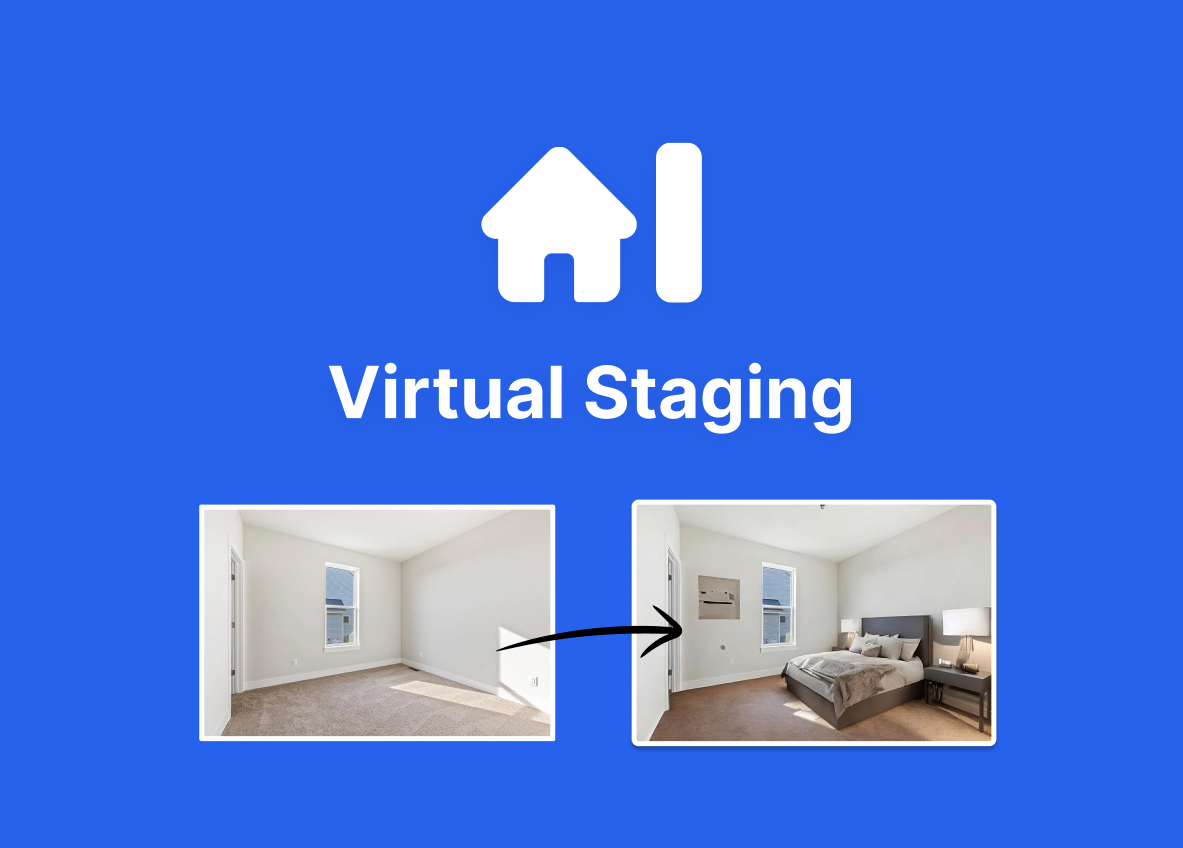
    REimagineHome is an artificial intelligence platform designed for virtual staging and property photo enhancement, offering subscription tiers ranging from $14 to $99 per month. Operating as a CRE-Native, Tier 2 application, the software specifically targets the visual marketing requirements of real estate professionals who need to present vacant or outdated spaces to prospective tenants and buyers. The platform replaces traditional, expensive physical staging and time-consuming manual photo editing with automated, algorithmic image generation. By uploading standard property photographs, users can apply various design styles, furnish empty floor plans, and remove unwanted clutter from existing images within seconds.

    For commercial real estate principals and marketing analysts evaluating this tool in August 2026, the primary value proposition centers on cost reduction and speed to market. Traditional staging for a commercial office suite or retail space often requires thousands of dollars and weeks of logistical coordination. REimagineHome attempts to bypass these constraints by generating photorealistic renderings directly from a web browser. While it operates in the same broad CRE Marketing category as tools like Matterport, which scored 92 in our framework for its spatial data capture, REimagineHome focuses strictly on 2D image manipulation and enhancement. The platform does not create 3D digital twins but rather optimizes standard marketing collateral for listings, brochures, and digital campaigns. Analysts must weigh the immediate cost savings of this monthly subscription against the potential limitations of AI-generated imagery in high-stakes commercial transactions where physical accuracy remains critical.

    What REimagineHome does and how it works

    REimagineHome functions as a specialized image processing engine that applies generative artificial intelligence to real estate photography. The core mechanic involves uploading standard 2D property photos into the web-based interface. Once an image is uploaded, the system analyzes the geometry, lighting, and existing elements within the room. Users then select from a variety of architectural and interior design styles, specifying the intended use of the space—such as converting a vacant warehouse into a modern open-plan office or updating a dated retail storefront into a contemporary boutique.

    The platform offers several distinct operational modules. The virtual staging module populates empty rooms with digitally rendered furniture, fixtures, and decor scaled to match the perspective of the original photo. The decluttering tool identifies and removes existing furniture, debris, or tenant artifacts, replacing them with appropriate background textures like bare walls or flooring. Additionally, the exterior enhancement feature allows users to modify landscaping, change sky conditions from overcast to sunny, and update exterior building finishes. These processes run on proprietary AI models trained specifically on architectural and interior design datasets, differentiating the output from general-purpose image generators that often struggle with spatial logic and proportional scaling.

    Users control the output through a series of text prompts and predefined style filters rather than complex graphic design tools. After the AI processes the request, it generates multiple variations of the enhanced image for the user to review. The chosen images can then be downloaded in high resolution for immediate use in marketing materials, offering a rapid alternative to hiring professional retouchers or 3D rendering artists. The system requires no specialized hardware, operating entirely through a standard web browser.

    9AI Framework: the score, dimension by dimension

    Dimension Score
    CRE Relevance 8/10
    Data Quality and Sources 7/10
    Ease of Adoption 9/10
    Output Accuracy 7/10
    Integration and Workflow Fit 5/10
    Pricing Transparency 9/10
    Support and Reliability 6/10
    Innovation and Roadmap 7/10
    Market Reputation 6/10
    Composite 9AI Score 71/100

    CRE Relevance — 8/10

    REimagineHome earns a solid rating here because its underlying models are explicitly trained on architectural and interior design data, classifying it as a CRE-Native application. Unlike general-purpose image generators that struggle with structural logic, this tool understands walls, floors, and spatial depth. It directly addresses a core commercial real estate marketing need: transforming vacant or unappealing spaces into marketable assets. However, its primary focus leans heavily toward residential and light commercial applications, meaning complex industrial or specialized institutional assets might not render with the same level of industry-specific accuracy. The tool solves a distinct visual marketing problem but does not interact with financial modeling or property management workflows. In practice: Marketing teams use this to quickly mock up tenant build-outs for vacant office suites without hiring an architectural visualization firm.

    Data Quality and Sources — 7/10

    The quality of data in this context refers to the training sets informing the AI and the resolution of the output imagery. REimagineHome utilizes specialized architectural datasets, resulting in renderings that generally respect room geometry and lighting conditions. The output quality relies heavily on the input data; high-resolution, well-lit original photographs yield significantly better results than low-quality mobile phone snapshots. Occasionally, the AI introduces minor structural anomalies, such as blending a desk leg into a floorboard or misinterpreting a complex ceiling grid. These artifacts require users to carefully review the generated images before publishing them in professional marketing collateral. In practice: Analysts must ensure they upload high-quality source photos and manually verify the generated images for subtle spatial errors before adding them to an offering memorandum.

    Ease of Adoption — 9/10

    Deployment requires virtually no technical expertise or IT oversight, making it highly accessible for commercial real estate teams of any size. The platform operates entirely through a web browser with a straightforward user interface focused on uploading images and selecting design preferences from drop-down menus. There is no software to install, no complex onboarding process, and no requirement for graphic design experience. A marketing associate can create an account and generate their first virtually staged image within five minutes. The learning curve is minimal, primarily involving trial and error to understand which text prompts and style selections produce the most realistic results for specific property types. In practice: Brokerage firms can deploy this tool instantly to their marketing coordinators without needing specialized training sessions or ongoing technical support.

    Output Accuracy — 7/10

    While the visual appeal of the generated images is generally high, physical and architectural accuracy can vary. The AI estimates room dimensions and perspective based on 2D pixels, which means the scale of virtual furniture might not perfectly align with the actual square footage available. For conceptual marketing—showing a prospective tenant what a space could look like—this level of accuracy is sufficient. However, it cannot replace precise architectural renderings or CAD models for actual space planning. The tool occasionally hallucinates non-existent architectural features or misinterprets structural load-bearing columns if they are poorly lit in the original photograph. In practice: Brokers must clearly label these images as conceptual virtual staging to avoid misrepresenting the physical dimensions and structural realities of the commercial space to potential buyers.

    Integration and Workflow Fit — 5/10

    As a Tier 2 application, REimagineHome functions primarily as a standalone utility rather than an integrated component of a broader commercial real estate technology stack. It does not natively connect with major CRM platforms, property management systems, or financial modeling software. Users must manually download the enhanced images and subsequently upload them into their marketing platforms, listing services, or presentation software like Beautiful.ai, which we previously scored at 89. While the lack of API connectivity limits automated workflows, the standalone nature is standard for point solutions focused strictly on image processing. The export formats are standard image files, ensuring compatibility with any downstream application. In practice: Marketing analysts will use this as a separate desktop utility, manually moving the finished JPEG or PNG files into their existing brochure templates.

    Pricing Transparency — 9/10

    The vendor excels in this dimension by publishing clear, accessible pricing tiers directly on their website. With subscription plans ranging from $14 to $99 per month, buyers can accurately forecast their software expenditures without needing to engage in lengthy sales calls or custom quoting processes. The pricing structure is tied to usage volume, specifically the number of images processed or credits consumed per month. This straightforward model allows independent brokers and large marketing departments alike to select a tier that matches their specific deal flow and listing volume. There are no hidden implementation fees or mandatory long-term enterprise contracts required to access the core features. In practice: A marketing director can instantly calculate the exact monthly cost based on their anticipated listing volume and approve the expense via a corporate credit card.

    Support and Reliability — 6/10

    As a Tier 2 startup, REimagineHome provides adequate but standard support mechanisms, primarily relying on email ticketing and self-service knowledge bases. Users will not find the dedicated enterprise account managers or 24/7 phone support typical of legacy software providers. System uptime is generally stable for web-based processing, though image generation times may fluctuate during periods of high server demand. The platform lacks the extensive historical track record of established incumbents, meaning buyers assume a slight risk regarding long-term corporate viability. However, given the low monthly price point and lack of required long-term contracts, the financial risk associated with potential downtime or support delays is minimal. In practice: Teams should expect asynchronous email support for technical issues and rely on internal troubleshooting for immediate, time-sensitive marketing deadlines.

    Innovation and Roadmap — 7/10

    The platform demonstrates a clear commitment to advancing its generative AI capabilities, frequently updating its models to improve photorealism and reduce rendering artifacts. The development trajectory suggests a focus on expanding architectural styles and refining the decluttering algorithms to handle more complex commercial environments. However, the roadmap appears strictly confined to 2D image manipulation. There is no published indication that the company intends to expand into 3D spatial data, virtual tours, or floor plan generation, which limits its future utility compared to comprehensive spatial platforms. The focus remains on doing one specific task increasingly well rather than broadening the product suite. In practice: Buyers should purchase the tool for its current 2D staging capabilities rather than expecting future feature expansions into 3D modeling or interactive property tours.

    Market Reputation — 6/10

    Within the commercial real estate sector, REimagineHome is building a functional reputation as a cost-effective utility, though it lacks the widespread enterprise recognition of top-tier platforms. It is frequently discussed among marketing professionals as a practical alternative to expensive physical staging, particularly for lower-tier or mid-market assets where marketing budgets are constrained. Because it is an unproven startup relative to industry giants, it has not yet secured exclusive enterprise-wide mandates at major global brokerages. Instead, adoption is largely driven by individual brokers and regional marketing teams seeking immediate workflow efficiencies. User feedback generally praises the speed and cost savings while noting the occasional need for manual quality control. In practice: The software is viewed as a highly useful, tactical marketing tool rather than a foundational enterprise software investment.

    Who should use REimagineHome

    This platform is highly effective for specific commercial real estate professionals focused on visual marketing and property presentation.

    • Marketing Directors at Regional Brokerages: Professionals needing to produce high volumes of property brochures for vacant spaces on tight budgets.
    • Retail Leasing Agents: Brokers who need to show prospective tenants how a dated storefront can be modernized for their specific brand.
    • Office Landlord Representatives: Agents tasked with marketing second-generation office space that currently contains outdated, unappealing tenant build-outs.
    • Independent Commercial Brokers: Solo practitioners who lack the budget for professional architectural visualization firms but need polished marketing collateral.

    Who should look elsewhere

    Certain commercial real estate professionals will find this tool inadequate for their specific technical or analytical requirements.

    • Architects and Space Planners: Professionals requiring exact CAD measurements, precise scale, and structural accuracy for actual tenant build-outs.
    • Financial Analysts: Teams focused on underwriting, cash flow modeling, or data analysis where visual marketing tools provide zero utility.
    • Industrial Logistics Brokers: Agents marketing highly specialized, technical warehouse facilities where ceiling heights, column spacing, and loading dock specifications matter more than aesthetic staging.
    • Enterprise IT Directors: Technology leaders seeking deeply integrated, API-first platforms that connect natively to existing CRM and property management databases.

    Pricing and ROI

    REimagineHome operates on a highly transparent, tiered subscription model, with published pricing ranging from $14 to $99 per month. This structure is primarily based on the volume of image credits required, allowing users to scale their expense directly with their marketing output. The $14 entry-level tier provides a limited number of renders suitable for an independent broker handling a few listings, while the $99 premium tier accommodates the higher volume demands of a dedicated marketing department processing multiple properties weekly.

    The return on investment (ROI) math for this tool is exceptionally compelling when compared to traditional alternatives. Hiring a professional 3D rendering firm to virtually stage a commercial office suite typically costs between $300 and $800 per image, and requires several days of turnaround time. Physical staging of a commercial space is even more cost-prohibitive, often running into the thousands of dollars per month. By utilizing the $99 monthly tier, a marketing team generating just ten staged images per month reduces their per-image cost to roughly $10. This represents a savings of at least $2,900 monthly compared to outsourced digital rendering, while simultaneously reducing the turnaround time from days to seconds. For any team actively marketing vacant commercial space, the software pays for itself upon the completion of a single successful listing brochure.

    Integration and CRE tech stack fit

    When evaluating integration fit within a commercial real estate technology stack, REimagineHome must be viewed strictly as a standalone utility. It does not offer native API connections to major industry platforms such as Salesforce, Buildout, or Yardi. Consequently, it cannot automatically pull property photos from a database or push finished renders directly into an active listing feed.

    Users must manually download the processed JPEG or PNG files and subsequently upload them into their preferred marketing or presentation software. While this lack of connectivity might deter enterprise IT teams looking for fully automated workflows, it is rarely a dealbreaker for the actual end-users. Marketing professionals are accustomed to managing image files locally before importing them into platforms like Beautiful.ai (which scored 89 in our framework) or Adobe Creative Cloud. The tool requires zero IT implementation, meaning it can be adopted instantly without navigating complex security reviews or data mapping exercises. It operates adjacent to the CRE tech stack, serving as a specialized processing station rather than an integrated data hub.

    Competitive landscape

    The landscape for commercial real estate visual marketing tools is increasingly crowded, forcing buyers to differentiate between 2D image processors, 3D spatial capture platforms, and general-purpose AI generators. REimagineHome competes directly with specialized virtual staging services like BoxBrownie and Virtual Staging AI. BoxBrownie relies on human editors, offering higher guaranteed accuracy and quality control, but at a significantly higher per-image cost and slower turnaround time. Virtual Staging AI offers a similar algorithmic approach to REimagineHome, competing closely on price and speed, though REimagineHome often provides more granular control over specific architectural styles.

    When compared to spatial data leaders like Matterport, which earned a 92 in our BestCRE framework, the use cases diverge sharply. Matterport requires physical camera hardware to create navigable 3D digital twins, representing a larger investment of time and capital for a fundamentally different output. REimagineHome strictly manipulates existing 2D photographs. Furthermore, buyers might consider general-purpose AI image generators like Midjourney or DALL-E. While those platforms produce stunning visuals, they lack the CRE-Native architectural training of REimagineHome. General AI tools frequently fail to respect the original structural geometry of an uploaded photo, making them unreliable for accurate property representation. For commercial marketers needing fast, affordable 2D staging without the structural hallucinations of general AI, REimagineHome occupies a highly practical middle ground.

    The bottom line

    Commercial real estate marketing teams should adopt REimagineHome if they frequently market vacant, second-generation, or visually unappealing spaces and operate under strict budget constraints. The published $14 to $99 monthly pricing delivers immediate, verifiable ROI by eliminating the need for expensive third-party rendering services or physical staging logistics. While it lacks the API integrations and 3D capabilities of enterprise-grade spatial platforms, its standalone web interface allows for instant deployment with zero technical overhead. Buyers must accept that AI-generated imagery requires manual review for structural artifacts, and brokers must responsibly label the outputs as conceptual renderings to avoid misrepresentation. Ultimately, this is a highly tactical, low-risk procurement. If your firm spends capital on outsourced virtual staging or struggles to help prospective tenants visualize the potential of an empty suite, purchase the mid-tier subscription today and move the capability in-house.

    Compare inside the same category: Matterport (92) · Jasper AI (89) · Beautiful.ai (89) · Dan AI (87) · Copy.ai (87). The full ranking is in the BestCRE AI Index; the category view is at CRE AI tools by category.

    Frequently asked questions

    Does REimagineHome create 3D virtual tours?

    No, the platform strictly processes and enhances 2D photographs. It does not generate navigable 3D digital twins or virtual tours like Matterport. Users upload standard flat images, and the AI returns enhanced flat images suitable for brochures and digital listings.

    Is the generated furniture accurately scaled to the real space?

    The AI estimates scale based on the perspective of the uploaded 2D photograph, but it is not mathematically precise. The output is intended for conceptual marketing and visualization, not for exact space planning, CAD drafting, or verifying that physical furniture will fit.

    Can I integrate REimagineHome directly with my CRM?

    The platform currently operates as a standalone web application and does not offer native API integrations with commercial real estate CRMs or property management systems. Users must manually download the finished images and upload them into their respective marketing databases.

    How much does REimagineHome cost for commercial teams?

    The vendor publishes transparent pricing tiers ranging from $14 to $99 per month. The cost is determined by the volume of image credits required, making it highly scalable for both independent brokers and high-volume marketing departments without requiring long-term enterprise contracts.

    Can the AI remove existing tenant clutter from a photo?

    Yes, the platform includes a specific decluttering module designed to identify and remove existing furniture, debris, or outdated fixtures. The AI then fills in the blank space with appropriate background textures like bare walls or flooring based on the surrounding context.

    Do I need graphic design experience to use this software?

    No graphic design expertise is required. The interface relies on simple image uploads, text prompts, and drop-down menus for selecting architectural styles. The AI handles all the complex image manipulation, allowing marketing associates to generate professional results within minutes.

  • Lofty Review: An all in one marketing platform bringing agentic AI to commercial real estate

    Lofty Review: An all in one marketing platform bringing agentic AI to commercial real estate

    BestCRE 9AI Score

    72/100 · Contender

    Lofty ranks #162 of 249 commercial real estate AI tools scored on the 9AI Framework.

    Lofty is an all-in-one real estate platform combining a customer relationship management system, lead generation tools, and IDX website builders. Originally known as Chime before a significant rebranding effort, the platform has aggressively positioned itself as an agentic AI operating system. BestCRE research confirms that pricing starts at approximately $299 per month for the base platform, though additional features quickly increase the total cost of ownership. While its origins and primary user base are deeply rooted in the residential sector, commercial real estate professionals have increasingly adopted the software to manage complex marketing funnels and investor outreach campaigns. The platform attempts to consolidate the fragmented tech stack that plagues most brokerages, offering a single environment for email marketing, pipeline tracking, and automated follow-up.

    For commercial practitioners, the appeal lies in the automation capabilities. Rather than juggling separate subscriptions for email marketing, a standalone CRM, and a website host, brokerages can centralize their operations. However, this consolidation comes with inherent trade-offs. A system designed to handle high-volume residential lead generation requires substantial customization to fit the longer sales cycles, complex entity structures, and specialized property data requirements of commercial real estate. Brokers must weigh the benefits of an integrated AI assistant against the reality that the platform’s default workflows assume a consumer-facing transaction model. Consequently, adoption requires a dedicated implementation phase to strip away residential terminology and rebuild the pipelines to reflect commercial deal stages, tenant representation workflows, or capital markets processes.

    What Lofty does and how it works

    At its core, Lofty functions as a centralized database that actively works the leads placed inside it. When a prospective investor or tenant interacts with a brokerage’s Lofty-hosted website, the platform captures the activity and assigns a lead score based on behavior. The system’s AI assistant then initiates contact via text or email, using natural language processing to qualify the prospect before a human broker ever steps in. This automated qualification process includes asking preliminary questions about asset class preferences, budget constraints, or square footage requirements. Once a lead responds, the AI can route the conversation to the appropriate specialist within the firm or schedule a call directly on the broker’s calendar.

    Beyond the initial contact phase, the platform provides a suite of marketing tools designed to maintain visibility over long commercial sales cycles. Users can deploy automated workflows that trigger specific actions based on time intervals or lead behavior. For example, if an institutional buyer views a specific multifamily offering memorandum on the firm’s website, the system can automatically send a follow-up email with comparable properties and alert the listing broker to make a phone call. The platform also includes a power dialer, allowing teams to execute high-volume cold calling campaigns directly from the interface, with all call notes and recordings automatically logged to the corresponding contact record.

    The website builder component integrates directly with the CRM, ensuring that any property listings or market reports published online feed directly into the marketing engine. While the system supports IDX feeds for MLS data, commercial users typically bypass this in favor of manually uploading exclusive listings or integrating with commercial data providers. The backend analytics dashboard provides visibility into which marketing channels are generating the highest return on investment, tracking everything from Google Ads performance to the open rates of targeted email blasts.

    9AI Framework: the score, dimension by dimension

    Dimension Score
    CRE Relevance 7/10
    Data Quality and Sources 7/10
    Ease of Adoption 6/10
    Output Accuracy 7/10
    Integration and Workflow Fit 8/10
    Pricing Transparency 6/10
    Support and Reliability 8/10
    Innovation and Roadmap 8/10
    Market Reputation 8/10
    Composite 9AI Score 72/100

    CRE Relevance — 7/10

    Lofty earns a Tier 2 CRE-Native classification, reflecting its dual-purpose nature. While the architecture is heavily influenced by residential real estate workflows, the underlying mechanics of lead routing, pipeline management, and automated follow-up are highly applicable to commercial operations. The platform struggles slightly with the complex, multi-party relationships typical in commercial transactions, such as linking a single contact to multiple corporate entities or tracking intricate capital stacks. However, the ability to customize custom fields and pipeline stages allows commercial teams to adapt the system to their specific asset classes. It requires effort to bend the tool to commercial standards, but the foundation is solid enough to support the transition. In practice: Commercial teams must invest significant time during onboarding to rename residential-focused default fields and restructure the database to handle corporate entities rather than individual homebuyers.

    Data Quality and Sources — 7/10

    The platform’s internal data integrity is strong, maintaining clean records of user interactions, email opens, and website behavior. However, its external data sourcing relies heavily on residential MLS integrations that offer little value to commercial practitioners. Commercial users must bring their own data, relying on manual entry or CSV imports from specialized commercial databases. The AI tools do an adequate job of parsing incoming lead information and updating contact records, but they cannot verify the accuracy of the information provided by the prospect. The system’s deduplication tools are functional but occasionally struggle when dealing with multiple contacts from the same corporate domain. In practice: Brokers will need to establish strict internal data entry protocols and rely on third-party commercial data providers to populate the system, as the native property feeds are primarily residential.

    Ease of Adoption — 6/10

    Consolidating multiple marketing and sales functions into a single platform inherently creates a steep learning curve. The interface is dense, packed with features, menus, and configuration options that can overwhelm new users. While the basic CRM functions are intuitive, mastering the automated marketing plans, AI agents, and custom pipeline routing requires dedicated training. The rebranding from Chime to Lofty introduced interface changes that modernized the look but temporarily confused existing users. Brokerages attempting to deploy this software without a designated system administrator often experience low adoption rates among senior brokers who resist complex new workflows. In practice: Firms should expect a minimum 60-day implementation period and must assign a dedicated internal champion to build the automated workflows before rolling the system out to the broader brokerage team.

    Output Accuracy — 7/10

    The automated marketing outputs and AI-generated communications are generally reliable, provided the underlying logic is configured correctly. The AI sales agent is capable of handling basic qualification questions with a natural, conversational tone, rarely making egregious errors in syntax or context. However, the AI lacks the nuanced understanding required to discuss complex commercial lease terms or cap rate calculations, meaning it must be strictly limited to top-of-funnel qualification. Automated property alerts function exactly as programmed, but the accuracy of the matching algorithm depends entirely on the quality of the data tags applied to the listings. In practice: Brokers must carefully script the boundaries of the AI assistant, ensuring it hands off the conversation to a human the moment a prospect asks specific financial or structural questions about a commercial asset.

    Integration and Workflow Fit — 8/10

    As an all-in-one platform, Lofty is designed to replace rather than integrate with many existing tools. It aims to eliminate the need for separate email marketing software, standalone website builders, and basic dialing applications. For external connections, it offers a functional API and supports common middleware like Zapier, allowing commercial teams to push data to specialized financial modeling tools or enterprise resource planning systems. However, native integrations with commercial-specific platforms like Buildout or Crexi are limited, requiring workarounds or custom development to achieve a synchronized tech stack. In practice: Buyers should audit their current software subscriptions and plan to cancel redundant marketing tools, relying on Zapier to connect the CRM to their specialized commercial real estate analysis and listing syndication platforms.

    Pricing Transparency — 6/10

    BestCRE research confirms that base pricing starts at approximately $299 per month, which covers the core CRM and basic website functionality. However, the vendor’s approach to pricing requires careful navigation. The base tier is essentially a starting point, with critical commercial features gated behind additional paywalls. The heavily promoted AI Sales Agent, for example, incurs an extra monthly fee based on lead volume, and the power dialer requires separate licensing. This modular pricing structure makes it difficult for brokerages to accurately forecast their total software expenditure without engaging in a detailed scoping call with the sales team. In practice: Decision-makers must demand a comprehensive, itemized quote that includes the AI add-ons, dialing minutes, and premium integrations to avoid unexpected cost escalations during the first year of deployment.

    Support and Reliability — 8/10

    The company provides a standard multi-tiered support structure, including a comprehensive knowledge base, email ticketing, and live chat for immediate troubleshooting. Response times are generally acceptable, though users frequently report that complex technical issues regarding API connections or custom workflow logic require escalation to higher-tier engineering teams, causing delays. The vendor offers extensive training resources, including weekly live webinars and a dedicated success manager for enterprise accounts. However, the support staff’s expertise is heavily skewed toward residential use cases, meaning commercial clients often have to translate their specific problems into residential terms for the support team to understand. In practice: Commercial users should rely on the self-serve documentation for basic configuration but expect to solve complex, commercial-specific workflow challenges internally rather than relying on the vendor’s standard support desk.

    Innovation and Roadmap — 8/10

    The transition from Chime to Lofty signaled a clear strategic pivot toward artificial intelligence and automation. The company is aggressively developing its agentic AI capabilities, aiming to create virtual assistants that execute tasks rather than simply answering queries. Their roadmap shows a commitment to expanding multi-channel marketing automation and improving the natural language processing of their chatbots. While the focus remains broad, the underlying technological advancements in AI-driven lead qualification directly benefit commercial users who need to process large volumes of investor inquiries. The development cycle is rapid, with frequent feature releases. In practice: Buyers can expect the platform’s artificial intelligence features to mature rapidly, particularly in the areas of automated follow-up and predictive lead scoring, keeping the tool competitive with standalone AI marketing products.

    Market Reputation — 8/10

    Under its former name, the platform established a strong foothold in the residential sector as a premium, high-performance alternative to legacy systems. The rebranding has been largely successful, positioning the company as a forward-thinking technology provider. Within the commercial real estate sector, it is viewed as a powerful but complex tool that requires significant customization. It competes favorably against general-purpose CRMs but faces skepticism from commercial purists who prefer industry-specific solutions. Despite this, its reputation for advanced marketing automation keeps it on the shortlist for tech-forward commercial brokerages. In practice: The software is highly regarded by marketing directors and tech-savvy managing directors who prioritize automation and consolidation, though it may face resistance from traditional brokers accustomed to basic contact management.

    Who should use Lofty

    This platform is best suited for tech-forward commercial operations that prioritize marketing automation and are willing to invest the time required for initial customization.

    • Mid-sized commercial brokerages seeking to consolidate their CRM, email marketing, and website hosting into a single monthly expense.
    • Investment sales teams that generate high volumes of inbound leads and need an AI assistant to handle preliminary qualification.
    • Tenant representation firms that rely on complex, multi-step drip campaigns to nurture prospects over long leasing cycles.
    • Marketing directors at commercial firms who need centralized analytics to track the return on investment for various advertising channels.

    Who should look elsewhere

    Firms looking for an out-of-the-box commercial solution or those with highly specialized institutional workflows will find the platform frustrating.

    • Boutique capital markets teams that manage a small number of high-value, complex institutional relationships rather than high-volume lead funnels.
    • Brokerages that rely heavily on native integrations with commercial property databases like CoStar or specialized syndication tools like Buildout.
    • Firms without a dedicated marketing manager or system administrator to handle the complex initial setup and ongoing workflow maintenance.

    Pricing and ROI

    As of Q1 2026, BestCRE research confirms that Lofty’s base pricing starts at approximately $299 per month. This entry-level tier provides access to the core customer relationship management system, basic marketing automation features, and standard website hosting. However, commercial buyers must approach this baseline figure with caution, as the platform relies heavily on a modular pricing strategy. The advanced features that make the system truly powerful require additional monthly investments. For instance, deploying the AI Sales Agent to handle automated lead qualification incurs a separate fee, typically starting around $60 per month for a set quota of leads. Similarly, utilizing the integrated power dialer or launching managed advertising campaigns will further increase the total cost of ownership. For a mid-sized commercial team fully utilizing the AI and dialing features, the actual monthly expenditure will easily exceed $500 to $800. To calculate the return on investment, brokerages must factor in the cost savings of consolidation. By eliminating separate subscriptions for email marketing platforms, standalone website builders, and third-party dialing software, a firm can offset a significant portion of the Lofty subscription. The true ROI, however, is realized through the AI assistant’s ability to qualify inbound inquiries during off-hours, potentially capturing a lucrative commercial deal that a slower, manual follow-up process would have lost to a competitor.

    Integration and CRE tech stack fit

    Integrating Lofty into a commercial real estate tech stack requires a strategic approach to data flow. Because the platform is designed as an all-in-one ecosystem, it naturally resists playing a subordinate role to other software. It demands to be the central hub for all contact and marketing data. For commercial teams, the primary integration challenge lies in connecting the CRM to industry-specific property databases and financial analysis tools. While the platform offers a comprehensive API and extensive Zapier support, native connections to commercial heavyweights are notably absent. Users will need to build custom Zaps to push closed deal data into specialized commission tracking software or to sync property data from commercial listing platforms. However, its built-in tools successfully replace the need for external marketing software. The native email builder, social media scheduling, and landing page creators eliminate the friction of moving data between disparate marketing applications. Ultimately, the system fits best in a tech stack where it serves as the undisputed master record for all client communications, with specialized commercial tools operating on the periphery and feeding data back into the central hub via middleware.

    Competitive landscape

    When evaluating Lofty, commercial real estate professionals must benchmark it against both general-purpose AI tools and specialized industry platforms. For pure marketing copy generation and content creation, tools like Jasper AI (BestCRE Score: 89) and Copy.ai (BestCRE Score: 87) offer far more sophisticated natural language processing. However, those platforms lack the underlying database architecture to actually manage the leads they help generate. For presentation and pitch deck creation, Beautiful.ai (BestCRE Score: 89) remains superior, as Lofty’s focus is on web presence and email rather than slide decks. Within the CRM category, the most direct alternatives are HubSpot and Salesforce. HubSpot offers a similarly powerful all-in-one marketing and sales ecosystem but requires expensive enterprise tiers to match Lofty’s automation capabilities, and it lacks any real estate-specific architecture out of the box. Salesforce provides the ultimate blank canvas for complex commercial workflows but demands massive implementation budgets and ongoing developer support. For teams focused purely on commercial property data and deal tracking, specialized platforms like Apto or ClientLook offer superior out-of-the-box commercial functionality, though they fall significantly short of Lofty’s advanced AI lead qualification and automated marketing capabilities. Finally, for firms looking to build custom, lightweight internal applications without coding, Glide Apps (BestCRE Score: 87) presents an alternative approach to managing proprietary datasets, though it cannot replace a dedicated, external-facing marketing engine. The choice ultimately hinges on whether a firm prioritizes advanced marketing automation over native commercial property data structures.

    The bottom line

    Lofty is a formidable marketing engine that forces commercial real estate brokerages to make a calculated trade-off. You are trading out-of-the-box commercial specificity for aggressive, AI-driven marketing automation. If your firm struggles with lead follow-up, operates a high-volume investment sales desk, or wastes thousands of dollars annually on disjointed marketing software, this platform is a necessary acquisition. The AI qualification tools and consolidated workflows will definitively accelerate your pipeline velocity. However, if your primary need is tracking complex institutional capital stacks or managing intricate tenant representation lease terms, the required customization will be an uphill battle. Do not purchase this software expecting a plug-and-play commercial database. Buy it only if you have the internal discipline to customize the architecture and the strategic vision to fully deploy its automated marketing capabilities across your entire brokerage.

    Compare inside the same category: Matterport (92) · Jasper AI (89) · Beautiful.ai (89) · Dan AI (87) · Copy.ai (87). The full ranking is in the BestCRE AI Index; the category view is at CRE AI tools by category.

    Frequently asked questions

    Does Lofty integrate with commercial MLS platforms?

    No, the platform primarily supports residential IDX feeds and lacks native connections to commercial databases. Commercial users must manually upload their exclusive listings, utilize bulk CSV imports, or build custom API connections via middleware like Zapier to synchronize property data from specialized commercial listing platforms.

    How much does the AI Sales Agent cost?

    While the base platform starts at approximately $299 per month, the AI Sales Agent is an optional premium add-on. Pricing for this automated assistant typically begins around $60 per month for a set quota of 200 leads, with costs scaling upward as your brokerage’s monthly inbound lead volume increases.

    Can I use this software for commercial tenant representation?

    Yes, but it requires significant initial customization to be effective. You will need to manually rename the default residential fields, rebuild the pipeline stages to accurately reflect the site selection and lease negotiation process, and design custom automated marketing plans tailored specifically to corporate tenants rather than individual buyers.

    Is the platform suitable for a solo commercial broker?

    It can be highly effective for a solo broker, provided that individual is exceptionally tech-savvy and willing to invest substantial time in the initial setup. However, the platform’s overall cost and structural complexity are generally better suited for growing teams or mid-sized brokerages that can dedicate resources to system administration.

    What happened to the Chime real estate CRM?

    Chime recently underwent a comprehensive corporate rebranding and is now officially operating under the name Lofty. This strategic rebrand was executed to reflect the company’s shift away from basic contact management toward providing a comprehensive, automated operating system powered by advanced artificial intelligence and multi-channel marketing tools.

    Does the system include a built-in power dialer?

    Yes, the platform features a fully integrated native power dialer that automatically logs all outbound calls, notes, and audio recordings directly into the corresponding client record. However, buyers should note that this dialing functionality is not included in the base subscription and requires purchasing an additional monthly license.

  • LeaseUp Review: AI-enabled transaction platform streamlining marketing assets for tenant rep brokers

    LeaseUp Review: AI-enabled transaction platform streamlining marketing assets for tenant rep brokers

    BestCRE 9AI Score

    73/100 · Contender

    LeaseUp ranks #149 of 245 commercial real estate AI tools scored on the 9AI Framework.

    LeaseUp is an AI-enabled deal and transaction platform built specifically for commercial real estate brokers, focusing on tenant representation. In an industry historically burdened by static PDFs and fragmented email chains, this software centralizes market data, client feedback, and marketing deliverables into a single digital workspace. As a Tier 2 CRE-Native platform, it targets the core inefficiencies of the site selection process. According to BestCRE research, LeaseUp starts at approximately $100 per user per month, making it an accessible addition to the modern brokerage tech stack. By replacing manual spreadsheet comparisons and cumbersome document creation, the platform allows brokerage teams to present building data through interactive, mobile-friendly interfaces.

    For commercial real estate principals and analysts evaluating new software in August 2026, the primary appeal of LeaseUp lies in its ability to accelerate the transaction cycle. The platform acts as a bridge between internal data management and external client presentation. Instead of spending hours compiling property details into static reports, brokers can use the system to instantly generate branded surveys and interactive tour books. This transition from static documents to collaborative digital environments directly impacts how clients interact with property data, ultimately speeding up their decision-making process. While the commercial real estate technology landscape is crowded, LeaseUp differentiates itself by focusing specifically on the workflow of tenant rep brokers, offering a specialized environment rather than a generic project management tool.

    What LeaseUp does and how it works

    At its core, LeaseUp functions as a centralized hub for commercial real estate deal data and marketing asset generation. Brokers input or import property data, which the system then organizes into a standardized format. From this central repository, users can instantly generate branded client deliverables, such as site surveys and tour books. The software eliminates the need to manually copy and paste building specifications, floor plans, and financial details into presentation templates. Instead, the AI-enabled platform pulls the necessary data points and formats them into professional, client-ready documents or digital portals.

    The platform goes beyond static document creation by offering an interactive, mobile-first experience for clients. When a broker shares a survey or tour itinerary, the client receives a digital link rather than a heavy PDF attachment. Within this digital environment, clients can review property details, view layered geographic data, and leave direct feedback on specific spaces. This interactive feedback loop is captured within the platform, allowing the brokerage team to track client preferences and adjust their site selection strategy accordingly. The system acts as a shared workspace where both the broker and the client can collaborate on the transaction in real time.

    Furthermore, LeaseUp addresses the internal project management needs of brokerage teams. It provides a unified dashboard where team members can track the status of various deals, monitor client engagement with shared materials, and coordinate tasks. By consolidating client communications, document storage, and property data into one platform, the software reduces reliance on disjointed third-party applications. The platform aims to replace traditional methods like shared spreadsheets for property comparisons and generic mapping tools for tour routing, offering a specialized toolkit designed specifically for the nuances of commercial real estate transactions.

    9AI Framework: the score, dimension by dimension

    Dimension Score
    CRE Relevance 9/10
    Data Quality and Sources 7/10
    Ease of Adoption 8/10
    Output Accuracy 8/10
    Integration and Workflow Fit 7/10
    Pricing Transparency 8/10
    Support and Reliability 6/10
    Innovation and Roadmap 7/10
    Market Reputation 6/10
    Composite 9AI Score 73/100

    CRE Relevance — 9/10

    As a Tier 2 CRE-Native database, LeaseUp is explicitly designed for the commercial real estate sector, with a laser focus on tenant representation workflows. Unlike generic presentation or project management tools, the platform understands the specific data points required for commercial transactions, such as lease rates, floor plans, and tenant improvement allowances. The interface is tailored to the site selection process, mapping out properties and organizing data in a way that aligns with how brokers and clients actually evaluate space. This specialized approach ensures that the software immediately resonates with brokerage teams without requiring extensive customization to fit their operational model. In practice: Brokers can adopt the platform quickly because the data structures and output formats already match industry-standard site surveys and tour books.

    Data Quality and Sources — 7/10

    The quality of the data within LeaseUp is inherently tied to the inputs provided by the brokerage team and any integrated market data sources. As a transaction platform rather than a primary data provider, it relies on users to populate the system with accurate property details and financial metrics. However, the software enforces a standardized data structure, which significantly reduces the risk of formatting errors and inconsistencies that often plague manual spreadsheets. By centralizing the data, it ensures that all team members are working from the most current information, mitigating the issue of version control. In practice: The platform improves data consistency across deliverables, but users must remain diligent about the accuracy of the initial property information they enter into the system.

    Ease of Adoption — 8/10

    LeaseUp is engineered to be highly intuitive, minimizing the learning curve for brokers who may not be highly technical. The process of moving from account creation to generating a shared client deliverable is streamlined into a few straightforward steps. The mobile-first design ensures that brokers can access deal information and manage client interactions while on the go, which is critical for professionals who spend significant time touring properties. The intuitive nature of the digital surveys and tour books also extends to the client side, requiring no training for clients to navigate and provide feedback. In practice: Brokerage teams can transition away from their legacy PDF and spreadsheet workflows within days rather than months.

    Output Accuracy — 8/10

    The platform excels in producing accurate, professional marketing assets by pulling directly from the centralized deal database. Because the surveys and tour books are generated automatically from the source data, the risk of transcription errors during the document creation process is virtually eliminated. The AI-enabled formatting ensures that the deliverables are visually appealing and consistently branded, regardless of which team member generates them. The accuracy of the geographic data layers and mapping features further enhances the reliability of the site selection materials presented to clients. In practice: Brokers can trust that the digital deliverables match the underlying property data exactly, preventing embarrassing discrepancies during client presentations.

    Integration and Workflow Fit — 7/10

    LeaseUp is designed to fit into the modern commercial real estate tech stack, complementing existing CRM systems and lead generation tools. By centralizing the transaction workflow, it actively replaces the need for multiple disjointed applications, such as generic mapping software, disparate document storage, and shared spreadsheets. The platform’s architecture suggests a focus on interoperability, allowing it to act as the primary interface for deal execution while drawing on data from other specialized tools. The company is also developing API access, which will further enhance its ability to connect with enterprise-level brokerage systems. In practice: The software centralizes the deal execution phase, acting as the connective tissue between initial lead generation and final document execution.

    Pricing Transparency — 8/10

    The vendor maintains a clear and accessible pricing structure, which is a significant advantage for principals evaluating the software. According to BestCRE research, pricing starts at approximately $100 per user per month. This published baseline allows firms to accurately model the financial impact of deploying the platform across their brokerage teams. The subscription model is straightforward, avoiding the hidden fees or complex tiered structures that often complicate software procurement in the commercial real estate sector. This level of transparency facilitates faster decision-making for firms looking to upgrade their technology stack. In practice: Analysts can easily calculate the total cost of ownership and project the required return on investment based on the published per-user pricing.

    Support and Reliability — 6/10

    As a relatively young PropTech startup, LeaseUp is still establishing its long-term support infrastructure and reliability track record. While the platform is currently utilized by innovative brokerage firms, it does not yet have the decades of proven stability associated with legacy enterprise software providers. Users should anticipate the typical growing pains associated with early-stage technology companies, including potential shifts in support protocols and feature updates. However, the company’s dedicated focus on the commercial real estate niche suggests a highly specialized support team that understands broker workflows. In practice: Firms should assign an internal champion to manage the relationship with the vendor and navigate any early-stage support dynamics.

    Innovation and Roadmap — 7/10

    The company demonstrates a strong commitment to evolving its product offering, particularly in the realm of artificial intelligence and data accessibility. The integration of AI-enabled features indicates a forward-looking approach to automating the more tedious aspects of transaction management. Furthermore, the development of API access shows an understanding of the broader commercial real estate ecosystem and the need for data portability. The vendor actively engages with the industry through webinars and content, suggesting that customer feedback directly influences their product development cycle. In practice: Users can expect regular feature releases that continuously refine the digital presentation and data management capabilities.

    Market Reputation — 6/10

    LeaseUp is building a solid reputation among forward-thinking tenant representation brokers, though it remains an emerging player in the broader commercial real estate technology landscape. Its recent seed funding round indicates growing investor confidence and market validation for its specific approach to deal management. While it may not yet possess the universal name recognition of industry giants, it is highly regarded by its current user base for solving a very specific and painful workflow problem. The platform is increasingly viewed as a necessary tool for modernizing the client experience. In practice: The software is respected by early adopters, but conservative firms may still view it as an unproven challenger.

    Who should use LeaseUp

    LeaseUp is highly specialized, making it an excellent fit for specific types of commercial real estate professionals who manage complex site selection processes. The platform delivers the most value to teams that handle a high volume of property data and require frequent, polished client communication.

    • Tenant Representation Brokers: Professionals who need to compile and present multiple property options to clients quickly and efficiently.
    • Boutique Brokerage Firms: Smaller agencies looking to punch above their weight by delivering highly professional, interactive digital experiences that rival larger competitors.
    • Brokerage Team Leads: Managers seeking to standardize the quality of marketing deliverables across their team and track client engagement metrics.
    • Commercial Real Estate Analysts: Staff members tasked with compiling market surveys who want to eliminate the manual formatting of static presentation documents.

    Who should look elsewhere

    While powerful for its intended use case, the software is not a universal solution for all commercial real estate disciplines. Firms operating outside of traditional leasing or those requiring heavy financial modeling will find the platform lacking in necessary functionality.

    • Investment Sales Brokers: Professionals focused on capital markets transactions who require complex financial underwriting tools rather than tenant tour books.
    • Property Managers: Teams needing operational software for rent collection, maintenance tracking, and tenant communication post-lease execution.
    • Firms Requiring Primary Market Data: Users looking for a database of off-market properties or historical lease comps, as this tool is a management platform rather than a data provider.

    Pricing and ROI

    According to BestCRE research, LeaseUp operates on a subscription model with pricing starting at approximately $100 per user per month. This published pricing provides a clear baseline for commercial real estate principals to evaluate the financial feasibility of the platform. For a mid-sized brokerage team of ten professionals, the annual software expenditure would total roughly $12,000.

    To justify this investment, analysts must calculate the return on investment based on time saved and deal velocity. The traditional process of compiling a market survey and formatting a PDF tour book often consumes five to ten hours of an analyst’s or junior broker’s time per client. Assuming a conservative estimate of ten hours saved per user per month, and valuing that time at a standard internal rate of $50 per hour, the software generates $500 in productivity value per user monthly. This yields a 5x return on the initial subscription cost purely through operational efficiency.

    Furthermore, the interactive nature of the digital deliverables can accelerate the client decision-making process. If the platform helps a broker close just one additional lease transaction per year by preventing deal fatigue and keeping the client engaged, the commission earned will exponentially cover the annual cost of the software for the entire team.

    Integration and CRE tech stack fit

    LeaseUp is positioned to serve as the central hub for the deal execution phase, fitting neatly between top-of-funnel lead generation tools and bottom-of-funnel legal execution software. In a standard commercial real estate tech stack, a broker might use a CRM to track a prospect and a data provider to source initial property options. LeaseUp takes over once the active site selection process begins, replacing the ad-hoc combination of shared spreadsheets, generic mapping applications, and PDF editors.

    The platform is designed to consolidate these disparate functions into a single workspace. By standardizing property data and client feedback within its system, it ensures that information is not lost in fragmented email chains. While the software currently acts as a standalone environment for deal management, the company is actively developing API access. This future connectivity will allow firms to push and pull data directly between LeaseUp and their enterprise CRM or proprietary databases, further solidifying its role as a specialized presentation and collaboration layer within the broader technology ecosystem.

    Competitive landscape

    When evaluating LeaseUp, commercial real estate principals must consider how it stacks up against both generic productivity tools and specialized industry software. Historically, the primary competitors have been the Microsoft Office suite and Adobe Acrobat, which brokers use to manually construct spreadsheets and static PDFs. While these legacy tools are universally understood, they lack the automation, interactive client interface, and CRE-specific formatting that LeaseUp provides.

    Within the realm of specialized presentation and marketing software, tools like Beautiful.ai (BestCRE Score: 89) offer faster document creation but lack the CRE-native data structures and mapping capabilities essential for site selection. Similarly, AI writing assistants like Jasper AI (BestCRE Score: 89) or Copy.ai (BestCRE Score: 87) can help draft property descriptions but cannot manage the actual transaction workflow or generate interactive tour books.

    In the proptech sector, brokers might compare LeaseUp to broader deal management platforms like VTS or Dealpath. However, those platforms are primarily geared toward landlords and investment teams, respectively, whereas LeaseUp is explicitly built for the tenant representation workflow. Another alternative is Buildout, which excels in creating marketing memorandums for investment sales but is less focused on the interactive, mobile-first client collaboration required during a tenant’s site selection process. Ultimately, LeaseUp carves out a distinct niche by focusing heavily on the broker-client interaction during the active touring and evaluation phase.

    The bottom line

    LeaseUp is a mandatory evaluation for any tenant representation team looking to modernize their client deliverables and accelerate the site selection process. The platform successfully identifies and eliminates the specific friction points associated with manual market surveys and static tour books. By transitioning these assets into an interactive, digital environment, brokers can provide a superior client experience that directly impacts deal velocity. While conservative firms may hesitate to adopt software from an early-stage startup, the published pricing of roughly $100 per user per month makes the financial risk negligible compared to the potential productivity gains. Principals should mandate a trial of the software for their most active leasing teams. If your brokers are still spending hours formatting PDFs and managing client feedback via messy email chains, LeaseUp offers a highly specialized, immediately deployable solution to upgrade your operational efficiency.

    Compare inside the same category: Matterport (92) · Jasper AI (89) · Beautiful.ai (89) · Dan AI (87) · Copy.ai (87). The full ranking is in the BestCRE AI Index; the category view is at CRE AI tools by category.

    Frequently asked questions

    What is the primary function of LeaseUp?

    LeaseUp is an AI-enabled transaction platform designed specifically for commercial real estate brokers. It centralizes deal data to automatically generate branded marketing assets, such as interactive market surveys and digital tour books, effectively replacing manual spreadsheets and static PDF documents within the tenant representation workflow.

    How much does LeaseUp cost per user?

    According to BestCRE research, LeaseUp utilizes a straightforward subscription pricing model that starts at approximately $100 per user per month. This transparent pricing structure allows commercial real estate brokerage firms to easily calculate their total cost of ownership and project potential return on investment.

    Is LeaseUp suitable for investment sales brokers?

    No, the platform is explicitly designed for the tenant representation workflow and the site selection process. Investment sales brokers require complex financial underwriting capabilities and capital markets distribution tools, which are not the primary focus of this specific transaction management software.

    Does LeaseUp provide primary market data or property listings?

    No, LeaseUp functions as a deal management and presentation platform, not a primary data provider. Brokers must input their own property data or import it from their existing commercial real estate market research tools to populate the digital surveys and tour books.

    Can clients interact with the deliverables generated by LeaseUp?

    Yes, the software generates mobile-first, digital deliverables. Clients receive a secure link where they can review property details, view geographic data layers, and leave direct feedback on specific spaces, facilitating a highly collaborative and efficient site selection process for the brokerage team.

    Does LeaseUp integrate with existing commercial real estate CRMs?

    The platform is designed to complement existing tech stacks by handling the active deal execution phase. While it currently operates as a centralized workspace, the vendor is actively developing API access to enable deeper integrations with enterprise commercial real estate CRMs and proprietary databases.

  • Henry Review: AI-powered deal decks and underwriting for commercial real estate brokers

    Henry Review: AI-powered deal decks and underwriting for commercial real estate brokers

    BestCRE 9AI Score

    83/100 · Contender

    Henry ranks #57 of 226 commercial real estate AI tools scored on the 9AI Framework.

    Henry is an artificial intelligence copilot built specifically for commercial real estate brokers, designed to automate the creation of offering memorandums, deal decks, and underwriting materials. According to the BestCRE master database, the platform’s primary use case is automating deal decks for CRE brokers, addressing a bottleneck that traditionally consumes dozens of analyst hours per transaction. Founded by Sammy Greenwall and Adam Pratt, the Y Combinator-backed company recently secured a $16.5 million Series A funding round in July 2026 to expand its capabilities beyond basic marketing materials into deeper financial analysis and buyer list generation.

    Unlike general-purpose design tools like Beautiful.ai or horizontal AI writers such as Jasper AI, Henry is trained on the specific vernacular and visual requirements of institutional real estate. The platform ingests a firm’s proprietary underwriting models, comparable sales data, and brand guidelines to generate custom presentations. By focusing exclusively on the commercial real estate sector, Henry attempts to solve the persistent challenge of maintaining high-quality output while increasing deal velocity. For brokerage principals and originations teams evaluating the software, the core proposition is time savings: reducing the typical fifteen-hour design and formatting process down to a few hours of automated generation followed by human review. The system is SOC 2 compliant and encrypts data by default, which is a necessary baseline for handling sensitive deal flow at enterprise brokerages.

    What Henry does and how it works

    Henry operates as a specialized workflow engine that bridges the gap between raw financial data and client-ready marketing materials. The core mechanic begins when an analyst or broker uploads their completed underwriting model and market comparables into the platform. Users then provide a brief input—typically three bullet points outlining the core investment thesis or deal narrative. Instead of requiring the user to manually populate templates, Henry’s artificial intelligence processes these inputs, extracts the relevant financial metrics, and drafts the accompanying narrative text.

    The system applies the brokerage’s specific brand guidelines, including fonts, color palettes, and layout preferences, which are established during the initial onboarding phase by training the AI on the firm’s historical decks. The output is a fully formatted offering memorandum or pitch deck. While the machine handles the heavy lifting of data extraction and initial layout, the workflow is designed to include a human-in-the-loop phase. Analysts must review the generated materials, adjust the narrative tone if necessary, and verify the financial figures before finalizing the document. The median turnaround time for this process is under four hours, with the actual human review portion taking approximately thirty minutes.

    With the recent introduction of the Henry Deal product line in Q3 2026, the platform has expanded its mechanical capabilities deeper into the originations process. The software now assists with generating targeted buyer lists and drafting internal investment memos. By combining external market data with the firm’s proprietary CRM and historical transaction records, Henry attempts to automate the entire top-of-funnel marketing motion. The platform supports multiple asset classes, including multifamily, retail, and specialty commercial properties, adjusting its output structure to match the specific reporting standards of each category.

    9AI Framework: the score, dimension by dimension

    Dimension Score
    CRE Relevance 10/10
    Data Quality and Sources 9/10
    Ease of Adoption 9/10
    Output Accuracy 9/10
    Integration and Workflow Fit 8/10
    Pricing Transparency 5/10
    Support and Reliability 7/10
    Innovation and Roadmap 9/10
    Market Reputation 9/10
    Composite 9AI Score 83/100

    CRE Relevance — 10/10

    Henry is entirely purpose-built for the commercial real estate industry, directly addressing the specific workflow bottlenecks of investment sales and capital markets teams. Unlike horizontal presentation software, the platform understands the structural requirements of an offering memorandum, the standard metrics of a multifamily underwriting model, and the visual hierarchy expected by institutional investors. The system is trained to handle specialized asset classes and recognizes the difference between a retail strip center pitch and an industrial portfolio disposition. This deep vertical focus ensures the generated narrative aligns with industry standards rather than reading like generic AI-generated text. The platform’s recent expansion into buyer list generation further cements its alignment with the broker’s daily operational needs. In practice: Brokers can upload a standard rent roll and operating statement, and the system will correctly interpret the net operating income without requiring manual mapping.

    Data Quality and Sources — 9/10

    The platform’s data quality relies heavily on a hybrid approach, merging a firm’s proprietary internal data with external market sources. Because Henry ingests the user’s specific underwriting models and comparable sales, the accuracy of the financial narrative is directly tied to the quality of the uploaded spreadsheets. The AI excels at extracting and formatting this data without introducing transcription errors, which is a common issue in manual deck creation. Furthermore, Henry maintains strict data isolation protocols; it is SOC 2 compliant and encrypts information by default, ensuring that a brokerage’s proprietary deal metrics are not leaked into public training models. This architecture protects the integrity of the firm’s historical data while allowing the AI to learn formatting preferences. In practice: Analysts must ensure their initial underwriting models are flawless, as the AI will faithfully reproduce whatever financial assumptions are provided.

    Ease of Adoption — 9/10

    Implementing Henry requires an initial setup phase where the platform is trained on a firm’s historical marketing materials to establish brand guidelines, fonts, and stylistic preferences. Once this baseline is configured, the daily user experience is highly streamlined. Analysts simply upload their existing Excel models and provide a few bullet points of context, bypassing the steep learning curves associated with complex design software like Adobe InDesign. The interface is designed for real estate professionals rather than graphic designers, focusing on speed and simplicity. However, teams must adapt their internal workflows to trust the automated generation process, shifting their time from document creation to document review. The cloud-based nature of the platform ensures no local installation is required. In practice: A junior analyst can generate an on-brand, institutional-quality draft on their first day without needing a tutorial on corporate formatting standards.

    Output Accuracy — 9/10

    Henry produces highly polished visual documents that strictly adhere to established corporate brand guidelines. The text generation is specifically tuned for commercial real estate, avoiding the generic or overly enthusiastic tone often produced by consumer-grade AI writers. However, because the system translates complex financial models into narrative text, the output requires mandatory human verification. The platform is designed to condense hours of manual formatting, but it is not infallible when interpreting highly nuanced or non-standard deal structures. Users report that while the visual layout and data extraction are highly precise, the qualitative investment thesis sometimes requires manual refinement to capture the exact strategic angle of the lead broker. The system provides an editing interface to make these final adjustments. In practice: Deal teams should allocate approximately thirty minutes per deck for a senior analyst to verify financial figures and refine the strategic narrative.

    Integration and Workflow Fit — 8/10

    Henry is designed to sit directly in the middle of a brokerage’s existing technology stack, acting as a bridge between financial modeling tools and client communication. The platform accepts standard file formats, primarily Excel, which means it integrates naturally with the way most commercial real estate analysts already work. While it does not boast an extensive marketplace of native API connections to every CRM or property management system, its ability to ingest standard underwriting files makes it highly adaptable. The recent addition of the Henry Deal product indicates a move toward deeper integrations with internal buyer databases and contact management systems. The platform’s enterprise-grade security ensures it meets the strict IT compliance requirements of major global brokerages. In practice: Teams do not need to change their underlying underwriting software; they simply export their final models and upload them into the Henry interface.

    Pricing Transparency — 5/10

    Henry operates with a custom pricing model and does not publish standard subscription tiers on its public website. Based on industry analysis and the BestCRE master database, the platform targets enterprise and mid-market brokerages rather than individual independent agents. Pricing is typically structured around usage volume and the scale of the deployment, with entry points starting in the thousands of dollars per month and scaling significantly for national firms. This opaque approach is common for enterprise software but makes it difficult for smaller teams to evaluate the financial viability of the tool prior to engaging with the sales team. Because the vendor does not publish pricing, it receives a penalized score in this dimension under the 9AI Framework. In practice: Prospective buyers must commit to a discovery call and scoping process to receive a customized quote based on their specific deal volume.

    Support and Reliability — 7/10

    As a Y Combinator-backed company that recently closed a $16.5 million Series A in August 2026, Henry has the financial backing to support enterprise-grade reliability. The platform is already deployed across more than 150 firms, including major national brokerages, which requires a high standard of uptime and customer support. The system is SOC 2 compliant and encrypted by default, demonstrating a mature approach to data security for a relatively young company. While it remains a startup and is subject to the operational growing pains typical of rapid scaling, the significant venture capital investment ensures they can hire dedicated customer success teams to manage onboarding and troubleshooting. Under the 9AI Framework, its score is constrained by its startup status, though its trajectory is highly positive. In practice: Enterprise clients can expect dedicated account management to assist with custom brand training and workflow integration.

    Innovation and Roadmap — 9/10

    Henry is moving aggressively to expand its footprint within the commercial real estate transaction lifecycle. Originally focused solely on automating the creation of offering memorandums and pitch decks, the company has recently launched Henry Deal. This expansion signals a strategic shift from a pure marketing utility to a comprehensive deal management copilot. The roadmap includes deeper automation of underwriting processes, automated generation of internal investment memos, and intelligent buyer list curation. Backed by significant recent venture capital funding, the engineering team has the resources to rapidly deploy new artificial intelligence models and refine their proprietary context engine. The pace of product releases over the past year indicates a strong commitment to solving complex, multi-step back-office workflows. In practice: Buyers are investing in a platform that will likely automate an increasing percentage of the analyst workload over the next twelve months.

    Market Reputation — 9/10

    Henry has rapidly established a strong reputation within the commercial real estate sector, particularly among investment sales and capital markets teams. The platform is utilized by professionals at nine of the top ten United States brokerages, including Colliers, CBRE, Marcus & Millichap, and Berkadia. This level of enterprise adoption in a notoriously relationship-driven and skeptical industry validates the product’s core value proposition. Testimonials from executive vice presidents and operations directors consistently highlight significant time savings and the ability to punch above their weight class regarding marketing quality. While the company is relatively new, having raised its seed round in early 2025, its ability to penetrate top-tier firms and secure a massive Series A round in 2026 speaks volumes. In practice: When pitching a seller, brokers can confidently present Henry-generated materials knowing the formatting meets the highest institutional standards.

    Who should use Henry

    Henry is highly specialized and delivers the most value to teams that produce a high volume of standardized, data-heavy marketing materials. The ideal users are those who currently experience bottlenecks in the design and formatting phases of the deal cycle.

    • Investment Sales Teams: Brokerages handling high transaction volumes that need to produce institutional-quality offering memorandums quickly to beat competitors to market.
    • Capital Markets Groups: Debt and equity placement teams that require polished pitch decks and internal investment memos synthesized from complex underwriting models.
    • Boutique Brokerages: Lean teams looking to produce marketing materials that rival the output of global firms without hiring dedicated in-house graphic designers.
    • Real Estate Private Equity: Acquisition teams that need to rapidly generate internal deal memos and committee presentations based on initial underwriting files.

    Who should look elsewhere

    While powerful for transaction-focused teams, Henry is not a general-purpose tool and will not provide a return on investment for every real estate professional.

    • Residential Real Estate Agents: The platform is built for complex commercial underwriting and institutional marketing, making it entirely unnecessary for single-family home sales.
    • Independent Solo Brokers: Professionals with low deal volume who only produce a few simple flyers a year will find the enterprise pricing model prohibitive.
    • Firms Seeking General AI Writers: Teams looking for a tool to write blog posts, social media captions, or general emails should look toward horizontal tools like Copy.ai or Jasper AI.
    • Property Managers: Operations-focused teams handling tenant requests and maintenance logs will not benefit from a platform designed for deal origination and marketing.

    Pricing and ROI

    According to the BestCRE master database, Henry operates with custom pricing and does not publish standard subscription tiers on its website. Industry data indicates that enterprise contracts typically start at several thousand dollars per month and scale upward based on the size of the firm and the volume of deals processed. Because pricing is not published, prospective buyers must engage in a direct scoping process with the vendor’s sales team to receive an accurate quote.

    To calculate the return on investment, a brokerage must evaluate the fully loaded cost of its analyst and design teams. If a junior analyst earns $90,000 annually and spends twenty hours a week manually extracting data from Excel to format offering memorandums, the firm is spending approximately $45,000 per year just on document formatting. If Henry reduces that twenty-hour process down to three hours of automated generation and review, the firm reclaims seventeen hours of analyst capacity per week. This allows the team to underwrite more properties and pitch more sellers without increasing headcount. For a mid-sized brokerage executing fifty transactions a year, the ability to bring a property to market a week faster than the competition can directly impact win rates and commission revenue, easily justifying a five-figure annual software contract.

    Integration and CRE tech stack fit

    Henry is engineered to fit cleanly into the standard commercial real estate technology stack, primarily by accommodating the industry’s universal reliance on Microsoft Excel. Rather than forcing firms to abandon their proprietary underwriting models, Henry ingests these existing spreadsheets directly. This approach bypasses the need for complex API integrations with specialized financial software like ARGUS Enterprise, as analysts can simply export their cash flow projections and rent rolls into Excel before uploading them to the platform.

    The platform also requires historical marketing materials, typically in PDF or presentation formats, during the onboarding phase to train the AI on the firm’s brand identity. With the recent rollout of the Henry Deal functionality, the software is beginning to interact more closely with top-of-funnel data, suggesting future alignment with industry-standard CRMs like Salesforce or Dealpath. However, the current workflow is highly modular: data is exported from the underwriting tool, processed through Henry, and the final output is delivered as a polished presentation ready for distribution via email or a virtual data room. Enterprise-grade encryption and SOC 2 compliance ensure that this data transfer meets the strict security protocols required by institutional brokerages.

    Competitive landscape

    When evaluating Henry, commercial real estate firms typically compare it against three categories of software: horizontal AI writers, general presentation builders, and traditional outsourced design services.

    Horizontal AI tools like Jasper AI (BestCRE Score: 89) and Copy.ai (BestCRE Score: 87) are excellent for drafting general marketing copy, emails, and blog posts. However, they lack the specific commercial real estate context required to interpret a multifamily rent roll or draft a credible investment thesis. They cannot ingest an Excel underwriting model and format it into a cohesive offering memorandum.

    General presentation platforms like Beautiful.ai (BestCRE Score: 89) offer superior design capabilities compared to standard PowerPoint. They enforce clean layouts and brand guidelines, making it easier for analysts to build decks. Yet, Beautiful.ai still requires the user to manually input the data and write the narrative. Henry differentiates itself by entirely automating the initial generation of both the text and the layout based on raw data uploads.

    For virtual property tours and spatial data, firms utilize Matterport (BestCRE Score: 92), which serves a completely different marketing function than Henry’s document generation. Finally, many brokerages rely on internal graphic design teams or outsourced agencies. While human designers provide ultimate creative control, they introduce significant bottlenecks, often requiring weeks to turn around a single offering memorandum. Henry competes directly against this manual process by offering a median turnaround time of a few hours, trading bespoke artistic design for extreme speed and institutional consistency.

    The bottom line

    Henry is a mandatory evaluation for any mid-market or enterprise commercial real estate brokerage experiencing bottlenecks in their marketing and origination workflows. If your analysts are spending more time formatting PowerPoint slides and copying data from Excel than they are underwriting new deals, this platform offers a direct, measurable solution. The custom pricing model means it requires a significant financial commitment, making it unsuitable for solo practitioners or residential agents. However, for high-volume investment sales and capital markets teams, the ability to compress a multi-week offering memorandum creation process into a single afternoon provides a distinct operational advantage. The recent $16.5 million Series A funding ensures the product will continue to mature. Brokerages should deploy Henry to reclaim analyst capacity, accelerate speed-to-market, and enforce strict brand consistency across all outgoing deal materials.

    Compare inside the same category: Matterport (92) · Jasper AI (89) · Beautiful.ai (89) · Dan AI (87) · Copy.ai (87). The full ranking is in the BestCRE AI Index; the category view is at CRE AI tools by category.

    Frequently asked questions

    Can Henry match our brokerage’s specific brand guidelines and deck style?

    Yes. During the initial onboarding process, users provide historical marketing materials and pitch decks. The platform trains its artificial intelligence on these documents to ensure all generated materials strictly adhere to your firm’s specific fonts, color palettes, layouts, and narrative tone.

    Does the platform support specialized commercial real estate asset classes?

    The software is built to support a wide range of commercial property types, including multifamily, retail, industrial, and specialty asset classes. The artificial intelligence adjusts its formatting and the metrics it highlights based on the specific requirements of the uploaded asset data.

    How does Henry handle my proprietary underwriting models and financial data?

    You upload your existing Excel underwriting models directly into the platform. The system extracts the relevant financial metrics, such as net operating income and internal rate of return, and automatically populates the narrative and charts within the offering memorandum. This entirely eliminates manual data entry.

    Is the data uploaded to the platform secure and kept confidential?

    Yes. The system is built with enterprise-grade security, is SOC 2 compliant, and encrypts all data by default. Your proprietary deal flow, comparable sales, and client information remain isolated and are not used to train public artificial intelligence models. This ensures strict institutional compliance.

    Can I edit the offering memorandum after the AI generates it?

    Absolutely. While the platform automates the heavy lifting of data extraction and initial layout, it includes an editing interface. Analysts are expected to review the document, verify the financial figures, and refine the strategic narrative before finalizing the presentation for client distribution.

    Does the company publish its pricing tiers online?

    No, pricing is not published on the website. The vendor operates with a custom pricing model tailored to the size of the firm and the expected deal volume. Prospective buyers must engage with the sales team to receive a specific quote based on their unique operational requirements.

  • Closera Review: AI platform generating commercial real estate marketing materials in minutes

    BestCRE 9AI Score

    67/100 · Niche

    Closera ranks #158 of 187 commercial real estate AI tools scored on the 9AI Framework.

    Closera is an artificial intelligence platform built specifically for commercial real estate brokerages, focusing on the rapid generation of property marketing collateral. According to the BestCRE Master Database, the primary use case for the software is producing offering memorandums (OMs), broker opinions of value (BOVs), and marketing materials in minutes. Classified as a Tier 2 CRE-Native application, the software aims to reduce the administrative burden associated with pitching and listing commercial properties.

    Brokerages historically spend days formatting financials, property descriptions, and market data into presentable PDFs or web pages. As of August 2026, analysis indicates that Closera attacks this bottleneck by applying generative AI to structure and format these inputs automatically. The platform operates in a highly competitive category, sitting alongside general-purpose AI writing tools and presentation software. However, Closera differentiates itself by focusing exclusively on the specific document types required by CRE professionals. Rather than asking a broker to engineer prompts for a generic language model, the system is structured around the standard components of an OM or BOV. The core value proposition relies on the assumption that saving hours of analyst time on document formatting justifies the adoption of a specialized tool over cheaper, general-purpose alternatives.

    What Closera does and how it works

    Closera functions as an automated document assembly engine tailored for commercial real estate transactions. Users begin by inputting core property data, which typically includes rent rolls, historical operating expenses, property photos, and basic physical characteristics. The system then processes these inputs through its AI models to generate the narrative sections of an offering memorandum or a broker opinion of value. This includes drafting the executive summary, property description, and location overview based entirely on the structured data provided by the user.

    The platform includes templating features that allow brokerages to maintain brand consistency across their marketing materials. Once the AI generates the initial draft, users interact with a document editor to refine the text, adjust financial tables, and swap images. Analysis suggests that the workflow is designed to replace the traditional process of manually copying and pasting data from Excel into InDesign or Word templates. By centralizing the data ingestion and document formatting steps, the software attempts to shorten the cycle time from winning a listing to taking it to market.

    Beyond OMs and BOVs, the system generates supplementary marketing collateral. This includes email blast copy, social media captions, and property flyers derived from the master property record. The mechanics rely heavily on the quality of the initial data entered by the broker or analyst. If the rent roll is incomplete or the expense history is inaccurate, the resulting BOV will reflect those deficiencies. Therefore, while the software accelerates document creation, it does not eliminate the need for human underwriting and data verification before distributing materials to potential buyers or clients.

    9AI Framework: the score, dimension by dimension

    Dimension Score
    CRE Relevance 9/10
    Data Quality and Sources 7/10
    Ease of Adoption 8/10
    Output Accuracy 7/10
    Integration and Workflow Fit 6/10
    Pricing Transparency 4/10
    Support and Reliability 6/10
    Innovation and Roadmap 7/10
    Market Reputation 6/10
    Composite 9AI Score 67/100

    CRE Relevance — 9/10

    As a Tier 2 CRE-Native application, Closera is built entirely around the workflows of commercial real estate brokerages. Unlike general-purpose AI writers that require extensive prompt engineering to understand cap rates, net operating income, or tenant improvements, this platform is pre-configured for these concepts. The interface and output templates are specifically designed for offering memorandums and broker opinions of value, which are highly specialized documents unique to this industry. Analysis shows that this narrow focus significantly reduces the friction typically associated with adopting AI in a brokerage setting. Users do not need to explain commercial real estate terminology to the system. In practice: Brokers can generate industry-standard documents without teaching the software basic real estate finance concepts.

    Data Quality and Sources — 7/10

    The quality of the output generated by Closera is directly proportional to the accuracy of the data supplied by the user. Because the system relies on user-uploaded rent rolls, financials, and property details to draft BOVs and OMs, it cannot independently verify the truthfulness of the inputs. Analysis indicates that while the AI effectively structures and formats the provided information, it does not pull proprietary market comps or verify zoning data on its own. The platform assumes the broker has already conducted the necessary underwriting and market research before initiating the document creation process. In practice: Analysts must still rigorously audit their financial inputs before relying on the platform to generate client-facing valuation documents.

    Ease of Adoption — 8/10

    Implementing Closera requires minimal technical expertise, as the platform operates primarily as a web-based document generator. The user interface guides brokers through a structured intake process, asking for specific property details and financial metrics. Because the templates are pre-built for standard CRE marketing materials, the learning curve is substantially lower than mastering complex design software like Adobe InDesign. Analysis suggests that teams can begin producing viable drafts within their first few sessions. However, configuring the platform to perfectly match a brokerage’s highly specific custom branding guidelines may require initial setup time and coordination with the vendor. In practice: Most brokerage teams can transition from manual drafting to AI-assisted generation within a matter of days.

    Output Accuracy — 7/10

    Generative AI models are prone to occasional hallucinations or phrasing inconsistencies, and Closera is not immune to these limitations. While the software excels at formatting financial tables and drafting boilerplate location descriptions, the narrative text requires careful review. Analysis of similar AI writing tools suggests that users must verify that the generated property descriptions accurately reflect the physical reality of the asset and do not exaggerate features. The financial summaries are generally accurate provided the input data is correct, but the qualitative text must be treated as a first draft rather than a final product. In practice: Brokers must allocate time to proofread and edit the AI-generated text before publishing any marketing materials.

    Integration and Workflow Fit — 6/10

    As a Tier 2 startup, Closera’s ability to connect with the broader commercial real estate technology stack remains developing. Analysis suggests that while the platform excels as a standalone document generator, users may need to manually export data from their CRM or underwriting software to feed into the system. There is limited evidence of deep, native integrations with enterprise-grade property management or financial modeling tools. Consequently, analysts will likely find themselves downloading CSV files from one platform and uploading them into another to initiate the marketing process. In practice: Users should expect a standalone workflow that requires manual data transfer rather than an automated pipeline from their existing CRM.

    Pricing Transparency — 4/10

    Closera does not publish its pricing tiers publicly, operating instead on a custom pricing model. According to the BestCRE Master Database, prospective buyers must engage with the sales team to receive a quote tailored to their brokerage size and usage volume. This lack of transparency makes it difficult for independent analysts or small boutique firms to evaluate the software’s return on investment prior to a demo. Analysis indicates that custom pricing often scales based on the number of seats or the volume of OMs and BOVs generated monthly. In practice: Buyers must invest time in the sales process to discover if the platform fits within their marketing budget.

    Support and Reliability — 6/10

    Classified as a Tier 2 vendor, Closera operates with the typical support constraints of an emerging startup. While the company is highly focused on its core brokerage user base, it may lack the 24/7 global support infrastructure found in enterprise legacy systems. Analysis suggests that users can expect responsive, personalized assistance during standard business hours, likely interacting directly with the product team. However, weekend support or immediate troubleshooting for urgent, late-night OM deadlines may be limited. The platform’s reliability is generally stable for document generation, but buyers must accept the support realities of a younger company. In practice: Teams should plan their critical document generation during business hours when support staff is readily available.

    Innovation and Roadmap — 7/10

    The product roadmap for Closera appears focused on deepening its AI generation capabilities specifically for brokerages. Analysis of the current feature set suggests future updates will likely target faster processing times, more sophisticated design templates, and potentially automated data extraction from messy financial documents. As a Tier 2 startup, the company has the agility to push updates frequently, responding directly to broker feedback. However, the long-term viability of the roadmap depends on the company’s ability to maintain its niche advantage against rapidly advancing general-purpose AI models that are constantly improving their context windows. In practice: Buyers are investing in a fast-moving product that will likely introduce new AI features at a rapid pace.

    Market Reputation — 6/10

    Closera is building a reputation as a specialized, time-saving utility for commercial real estate brokers, but it remains an unproven startup in the broader market. It has not yet achieved the ubiquitous name recognition of established tools like Matterport. Analysis indicates that early adopters appreciate the platform’s focus on CRE-specific documents, which provides a clear advantage over generic AI writers. However, as a Tier 2 vendor, it lacks a long track record of enterprise deployments. The company must still prove it can scale its user base and maintain performance as transaction volumes increase across a larger client base. In practice: Adopters are taking a calculated risk on a specialized startup rather than buying an established industry standard.

    Who should use Closera

    Closera is optimized for transaction-focused teams that spend excessive time formatting documents rather than calling clients. The platform provides the highest value to organizations that lack dedicated, in-house graphic design departments.

    • Investment sales brokers who need to quickly turn around BOVs to win listings.
    • Boutique brokerages seeking to produce institutional-quality OMs without hiring graphic designers.
    • Marketing coordinators at mid-sized firms struggling to manage high volumes of property flyers and email blasts.
    • Junior analysts who currently spend hours manually transferring Excel data into presentation templates.

    Who should look elsewhere

    Firms with highly rigid, complex branding requirements or those relying on deeply integrated enterprise tech stacks may find the platform limiting. It is not a substitute for underwriting software or a CRM.

    • Enterprise brokerages with proprietary, heavily customized automated marketing systems already in place.
    • Analysts looking for an AI tool to perform complex financial modeling or cash flow projections.
    • Firms that refuse to use cloud-based software for confidential client financial data.

    Pricing and ROI

    Closera operates strictly on a custom pricing model, meaning exact costs are not published on their website. Prospective buyers must contact the sales team to receive a quote, which analysis suggests is likely based on the number of user seats, the volume of documents generated, or the size of the brokerage. Because pricing is not published, evaluating the immediate financial commitment requires engaging in a sales process.

    To calculate the return on investment, brokerages must measure the cost of the software against the labor hours saved during document production. If a junior analyst or marketing coordinator currently spends ten hours formatting a single offering memorandum in InDesign, and Closera reduces that time to two hours of data entry and proofreading, the firm saves eight hours of labor per listing. Assuming an analyst’s fully loaded cost is $50 per hour, the platform saves $400 per OM. If a boutique firm produces five OMs and ten BOVs per month, the labor savings quickly reach thousands of dollars. The ROI is realized only if the brokerage redirects those saved hours into revenue-generating activities, such as prospecting or underwriting additional deals, rather than simply absorbing the free time.

    Integration and CRE tech stack fit

    Fitting Closera into an existing commercial real estate technology stack requires manual effort. As a Tier 2 application, the platform currently functions primarily as a standalone destination rather than a deeply integrated node within a broader ecosystem. Analysis indicates that users will not find native, push-button integrations with major industry CRMs or complex financial modeling platforms.

    Instead, the workflow relies on data export and import. Analysts must finalize their rent rolls and operating expenses in Excel, and then upload those files or manually input the data into Closera’s interface. Once the offering memorandum or broker opinion of value is generated, the final product is exported as a PDF or web link for distribution. While this lack of connectivity prevents the software from automatically pulling live property data from a CRM, it also simplifies the initial deployment. Brokerages do not need IT departments to configure API keys or map custom data fields. The platform sits adjacent to the core tech stack, utilized specifically at the moment a property is ready to be pitched or marketed.

    Competitive landscape

    Closera competes in a crowded landscape of both specialized real estate software and general-purpose AI tools. For pure text generation, brokers often turn to Jasper AI (BestCRE Score: 89) or Copy.ai (BestCRE Score: 87). These platforms excel at drafting email blasts and property descriptions but lack native understanding of commercial real estate financials and do not format BOVs or OMs. Beautiful.ai (BestCRE Score: 89) offers superior presentation design capabilities and faster slide creation than traditional software, but it still requires the user to manually structure the real estate narrative.

    Within the CRE-specific ecosystem, Closera competes with established marketing and deal management platforms that provide highly structured, automated OM and flyer generation. For custom app creation and internal property portals, Glide Apps (BestCRE Score: 87) allows firms to build bespoke property databases, but it is not designed for generating printable marketing PDFs. Dan AI (BestCRE Score: 87) offers CRE-specific AI chat capabilities, but focuses more on market research and conversational queries rather than end-to-end document assembly. Matterport (BestCRE Score: 92) dominates the visual marketing space but does not generate financial documents. Ultimately, Closera distinguishes itself by combining the generative text capabilities of a Jasper AI with the document structure of a traditional marketing platform, specifically targeting the bottleneck of BOV and OM creation.

    The bottom line

    Closera is a highly practical utility for commercial real estate brokerages looking to accelerate their marketing output. By focusing exclusively on offering memorandums, broker opinions of value, and property marketing materials, it eliminates the prompt engineering required by generic AI tools. The platform is not a magic solution; analysts must still ensure the accuracy of their financial inputs, and the generated text requires human review to correct inevitable AI phrasing quirks. Furthermore, the lack of published pricing and limited integrations require buyers to carefully evaluate the cost and workflow friction. However, for boutique firms and mid-sized brokerages spending excessive hours formatting PDFs in InDesign, the labor savings are undeniable. If your team is bottlenecked by document production rather than deal origination, Closera is a recommended purchase to modernize your listing process.

    Compare inside the same category: Matterport (92) · Jasper AI (89) · Beautiful.ai (89) · Dan AI (87) · Copy.ai (87). The full ranking is in the BestCRE AI Index; the category view is at CRE AI tools by category.

    Frequently asked questions

    Does Closera integrate with my existing CRM?

    Analysis indicates that Closera operates primarily as a standalone platform rather than a deeply connected node. Users typically need to manually export data from their existing customer relationship management systems and upload it into the software to generate marketing materials, as native integrations are currently limited.

    Can the AI underwrite a property automatically?

    No, the software cannot underwrite a property automatically. The platform formats and structures data into OMs and BOVs, but it relies entirely on the analyst to provide accurate financial inputs, rent rolls, and operating expenses. Users must complete their financial modeling before using the tool.

    How much does Closera cost?

    Pricing is not published on the official website. The company uses a custom pricing model, requiring prospective buyers to contact their sales team directly for a quote. Analysis suggests these costs are likely scaled based on firm size, the number of user seats, or total document volume.

    Do I need graphic design experience to use it?

    No graphic design experience is necessary to operate the platform. The software uses pre-built templates and artificial intelligence to format documents automatically. This approach replaces the need for complex design tools like Adobe InDesign, allowing brokers to produce standard marketing materials with basic data entry skills.

    Can it generate content for social media and emails?

    Yes, the platform extends beyond standard offering memorandums. In addition to OMs and BOVs, the system can generate supplementary marketing collateral. This includes drafting email blast copy and social media captions based on the master property data, helping teams distribute their listings across multiple digital channels.

    Is the generated text ready to publish immediately?

    No, the generated text should not be published immediately without review. While the artificial intelligence drafts executive summaries and property descriptions quickly, users must carefully review and edit the text. This ensures the narrative accurately reflects the physical asset and corrects any phrasing inconsistencies before client distribution.

  • Apply Design Review: AI virtual staging tool delivering photorealistic furniture for commercial real estate marketing

    BestCRE 9AI Score

    66/100 · Niche

    Apply Design ranks #138 of 158 commercial real estate AI tools scored on the 9AI Framework.

    Apply Design is a commercial real estate marketing application focused on AI virtual staging with photorealistic furniture. Classified within the BestCRE database as a CRE-Native, Tier 2 software provider, the platform aims to replace traditional physical staging and manual 3D rendering services. For commercial brokers and property marketers, empty floor plates and vacant office suites present a persistent challenge in tenant visualization. Physical staging requires significant capital expenditure and logistical coordination, while legacy digital rendering often demands weeks of lead time and specialized architectural design skills. Apply Design addresses this bottleneck by applying artificial intelligence to standard property photos, generating furnished environments without the need for physical asset deployment.

    As of Q3 2026, the commercial real estate sector continues to scrutinize marketing spend, forcing brokerages to seek cost-effective alternatives for property campaigns. Our analysis indicates that virtual staging tools have transitioned from residential novelties to commercial necessities, particularly for Class B and Class C office spaces requiring repositioning. Apply Design operates entirely within this specific niche, focusing solely on the visual enhancement of existing space rather than broader workflow automation or text generation. While it competes for marketing budgets alongside established spatial capture tools like Matterport, its utility is strictly confined to post-production imagery. Buyers evaluating this platform must weigh its specialized output against the lack of published pricing and its status as a Tier 2 vendor in a crowded marketing technology landscape.

    What Apply Design does and how it works

    Apply Design functions as an image processing engine that accepts 2D photographs of vacant commercial spaces and outputs digitally furnished versions of those same rooms. The core mechanic relies on computer vision algorithms to analyze the geometry, lighting, and scale of the uploaded image. Once the spatial dimensions are mapped, the software allows users to select from digital furniture catalogs to populate the room. The AI attempts to match the lighting and shadows of the inserted 3D models with the ambient light sources detected in the original photograph, creating a composite image that mimics a physically staged environment.

    Our analysis of the platform’s mechanics reveals a workflow designed for users without computer-aided design or 3D modeling experience. A marketing associate uploads a high-resolution image of an empty office suite or retail shell. The user then selects a desired interior design style or specific furniture bundles appropriate for the target tenant profile, such as open-plan tech workstations, traditional executive suites, or boutique retail fixtures. The software processes the request and renders the photorealistic furniture into the scene. Users can typically download the finished assets for immediate deployment in offering memorandums, listing websites, or email campaigns.

    Unlike comprehensive spatial data platforms, Apply Design does not create navigable digital twins or floor plans. Its scope is strictly confined to static image enhancement. The platform processes each image individually, meaning a complete property tour requires uploading and staging multiple separate photos. This mechanical limitation means the tool serves as a point solution for specific marketing collateral rather than a holistic property documentation system. The final output is a standard 2D image file, heavily dependent on the quality and resolution of the initial photograph provided by the user.

    9AI Framework: the score, dimension by dimension

    Dimension Score
    CRE Relevance 8/10
    Data Quality and Sources 7/10
    Ease of Adoption 8/10
    Output Accuracy 7/10
    Integration and Workflow Fit 6/10
    Pricing Transparency 5/10
    Support and Reliability 6/10
    Innovation and Roadmap 6/10
    Market Reputation 6/10
    Composite 9AI Score 66/100

    CRE Relevance — 8/10

    Apply Design is categorized as a CRE-Native application, built specifically to address the real estate industry’s need for property visualization. Unlike general-purpose image editors or generic generative AI art generators, this platform focuses entirely on the spatial constraints and aesthetic requirements of commercial and residential staging. Our analysis shows that its utility directly aligns with the daily requirements of leasing brokers and property marketers who struggle to market vacant spaces. The tool understands architectural contexts like floor plans, ceiling heights, and window placements to ensure furniture scales correctly. In practice: Brokers use this software to convert photos of empty white-box suites into targeted, furnished marketing images for specific tenant profiles.

    Data Quality and Sources — 7/10

    The primary data input for Apply Design consists of user-uploaded property photographs, while the output is a high-resolution composite image. The quality of the final product is heavily contingent on the resolution, lighting, and angle of the source material. The platform’s internal database consists of 3D furniture models and textures, which must be rendered accurately to achieve the promised photorealistic standard. Our analysis indicates that the AI’s ability to calculate accurate shadow casting and perspective matching is the critical variable in output quality. Poor source photos will inevitably yield unconvincing staging results. In practice: Marketing teams must ensure they capture well-lit, high-resolution photography of their vacant spaces to extract acceptable results from the rendering engine.

    Ease of Adoption — 8/10

    As a targeted marketing application, Apply Design requires minimal technical onboarding compared to enterprise resource planning or property management systems. The user interface is designed for marketing coordinators and brokers rather than specialized 3D rendering artists. Users simply upload images, select design parameters, and initiate the rendering process. There is no requirement to install heavy desktop software or undergo extensive training on spatial mapping. However, users must still learn to navigate the platform’s specific design catalogs and adjustment controls to refine the final images. In practice: A new marketing associate can typically begin generating staged images on their first day of using the platform without formal technical certification.

    Output Accuracy — 7/10

    Output accuracy for virtual staging is measured by the realism of the final image and the correct proportional scaling of the digital furniture. Apply Design utilizes computer vision to estimate room dimensions from a 2D photo, which introduces a margin of error. If the AI miscalculates the depth of a room, a digital conference table may appear unnaturally large or small compared to the surrounding architecture. Our analysis notes that while the furniture assets themselves are photorealistic, the accuracy of their placement and the realism of artificial shadows dictate the success of the staging. In practice: Users must carefully review the rendered images to ensure digital desks and chairs do not appear to float or violate the physical dimensions of the room.

    Integration and Workflow Fit — 6/10

    Apply Design operates primarily as a standalone web application rather than an integrated component of a broader commercial real estate technology stack. It does not typically connect directly via API to customer relationship management systems, property management software, or listing syndication networks. Users must manually download the staged images and subsequently upload them to their preferred marketing channels, such as LoopNet, CoStar, or internal brokerage websites. This lack of automated data flow requires manual file management by the marketing team. In practice: Marketing professionals will use this tool in isolation, treating it as an independent utility for asset creation before manually migrating the final files to their active marketing campaigns.

    Pricing Transparency — 5/10

    BestCRE research confirms that Apply Design does not publish its pricing details publicly. Prospective buyers must contact the company directly to obtain cost information. This lack of transparency severely limits the ability of commercial real estate analysts to conduct preliminary return on investment calculations or compare costs against competing virtual staging services without engaging in a sales process. Because the vendor does not publish pricing, it cannot exceed a score of 5 in this dimension according to our rating methodology. In practice: Procurement teams must allocate time for direct vendor negotiations and request custom quotes to determine if the software fits within their property marketing budgets.

    Support and Reliability — 6/10

    Classified as a Tier 2 vendor, Apply Design represents an unproven startup within the broader commercial real estate technology ecosystem. Consequently, its support infrastructure is likely still maturing. Buyers should not expect the dedicated enterprise account management or 24/7 global support desks provided by established Tier 1 corporations. Support is typically handled through standard ticketing systems, email, or basic web chat. Given its startup status, our methodology caps this dimension at a score of 6 to reflect the inherent risks of relying on a developing company for critical marketing operations. In practice: Users should anticipate standard business-hour support and potential delays in resolving complex technical rendering issues.

    Innovation and Roadmap — 6/10

    The trajectory for Apply Design involves refining its core computer vision algorithms to improve the speed and realism of its photorealistic furniture rendering. As a Tier 2 startup, the company must continuously update its 3D asset library to reflect current commercial interior design trends. Future developments may include better handling of complex lighting environments, automated removal of existing physical clutter from photos, or eventual expansion into 360-degree panoramic staging. However, as an early-stage vendor, the execution of these features remains speculative and dependent on ongoing capital efficiency. In practice: Buyers are purchasing the current static image capabilities and should not base their procurement decisions on promised future features.

    Market Reputation — 6/10

    Apply Design is currently building its market reputation within the specialized niche of virtual staging. As an unproven Tier 2 startup, it lacks the extensive case studies, widespread industry adoption, and long-term client retention metrics of dominant marketing platforms. While it competes for attention against established visualization companies like Matterport, which holds a BestCRE score of 92, Apply Design is still working to secure a definitive foothold among major commercial brokerages. Our rating framework restricts its score to a maximum of 6 in this category due to its emerging status. In practice: Commercial real estate firms adopting this tool are acting as early adopters rather than following an established industry consensus.

    Who should use Apply Design

    Apply Design is best suited for commercial real estate professionals who frequently market vacant spaces and require high-quality visual collateral without the expense of physical staging.

    • Landlord Representation Brokers: Teams tasked with leasing empty office suites or retail shells who need to show prospective tenants the potential of a white-box space.
    • Property Marketing Coordinators: In-house marketing staff at mid-sized brokerages looking to accelerate the production of offering memorandums and listing brochures.
    • Value-Add Investors: Buyers acquiring distressed or vacant Class B properties who need to generate compelling repositioning imagery for capital partners before commencing physical renovations.
    • Boutique Commercial Agencies: Smaller firms that lack the budget for dedicated 3D architectural rendering services but require professional-grade listing photos.

    Who should look elsewhere

    This software is entirely focused on static 2D image enhancement and will not satisfy teams requiring comprehensive spatial data, interactive tours, or broad workflow automation.

    • Firms Requiring Digital Twins: Teams that need navigable 3D walkthroughs or precise spatial measurements should look to established platforms like Matterport.
    • Industrial Real Estate Brokers: Professionals marketing raw warehouse or logistics spaces where photorealistic office furniture staging provides minimal value to prospective logistics tenants.
    • Enterprise Operations Teams: Departments seeking text generation, data analysis, or CRM automation, as this tool offers no capabilities in those areas compared to platforms like Jasper AI or Copy.ai.

    Pricing and ROI

    Based on our current research, Apply Design does not publish its pricing details publicly. Prospective buyers are required to contact the company directly to obtain a custom quote. This opaque pricing model complicates initial vendor screening for commercial real estate analysts, as it prevents immediate cost comparisons against competing virtual staging services or traditional physical staging providers. Because pricing is not published, buyers must engage with the sales team to understand whether the platform charges a flat subscription fee, a per-image rendering cost, or a hybrid credit-based system.

    Despite the lack of transparent pricing, analysts can still construct a basic return on investment framework. The baseline comparison is the cost of physical staging, which typically involves thousands of dollars in furniture rental, delivery, and setup fees per suite, plus weeks of logistical coordination. Alternatively, outsourcing photos to a manual 3D rendering agency often costs hundreds of dollars per image and requires several days of lead time. If Apply Design can deliver photorealistic furniture staging at a fraction of the cost of physical staging and faster than a manual rendering agency, the software generates immediate ROI through reduced marketing expenditures and accelerated time-to-market for vacant listings. Buyers must simply ensure the negotiated contract price remains significantly lower than these traditional alternatives.

    Integration and CRE tech stack fit

    Apply Design presents a low integration footprint within the standard commercial real estate technology stack. Our analysis indicates that the platform functions primarily as an independent web-based utility rather than a connected node in a broader data ecosystem. It does not offer native API connections to major industry platforms such as Salesforce, Buildout, or Yardi, nor does it push data directly to listing syndication networks like CoStar or LoopNet.

    For marketing teams, this means the software sits outside of automated workflows. Users must manually upload raw photography from their local drives or cloud storage, process the images within the Apply Design interface, and manually download the finished assets. These staged images are then manually inserted into InDesign templates, email marketing platforms, or digital brochures. While this lack of integration prevents the software from streamlining complex operational workflows, it also means the tool can be adopted immediately without requiring IT department oversight, complex software implementation phases, or concerns regarding data security and privacy compliance across connected systems.

    Competitive landscape

    The market for commercial real estate marketing software is highly fragmented, with vendors offering vastly different approaches to property visualization and content creation. Apply Design occupies a specific niche focused solely on static image virtual staging. When evaluating this platform, buyers must differentiate between static staging, spatial capture, and generative text tools.

    For spatial capture and interactive 3D tours, Matterport remains the dominant alternative. Scoring a 92 in the BestCRE database, Matterport provides navigable digital twins and precise floor plans, which offer far more utility than Apply Design’s static 2D images, albeit requiring specialized camera hardware and higher costs. For broader marketing automation and copywriting, platforms like Jasper AI (score: 89) and Copy.ai (score: 87) are frequently utilized by commercial brokerages to generate property descriptions and email campaigns. Apply Design does not compete with these text-based tools, as it strictly handles visual assets.

    Direct competitors in the virtual staging space include BoxBrownie and various independent 3D rendering agencies. BoxBrownie operates as a service rather than a pure software-as-a-service platform, utilizing human editors assisted by software to deliver staged images. Apply Design attempts to differentiate itself by providing a self-service software interface driven by AI, theoretically reducing turnaround times. Additionally, buyers might consider presentation software like Beautiful.ai (score: 89) to house the final staged images, though Beautiful.ai does not generate the staging itself. Ultimately, Apply Design competes against the traditional costs of physical furniture rental and manual architectural rendering.

    The bottom line

    Apply Design offers a highly specialized, single-purpose utility for commercial real estate marketing teams burdened by the cost and logistics of physical property staging. It is not a comprehensive marketing suite, nor does it provide the spatial data capabilities of industry leaders like Matterport. Buyers should view this software strictly as an image enhancement tool designed to make vacant office and retail spaces more visually appealing in digital brochures and listing sites. The lack of published pricing and its status as an unproven Tier 2 startup introduce standard procurement risks, requiring buyers to negotiate carefully. However, if the negotiated cost per image remains significantly lower than traditional physical staging or manual 3D rendering services, Apply Design provides a practical, immediate solution for brokers needing to accelerate their go-to-market strategy for empty white-box suites. Purchase this tool if your brokerage spends excessive capital on physical furniture rentals; pass if you require interactive 3D tours or integrated marketing automation.

    Compare inside the same category: Matterport (92) · Jasper AI (89) · Beautiful.ai (89) · Dan AI (87) · Copy.ai (87). The full ranking is in the BestCRE AI Index; the category view is at CRE AI tools by category.

    Frequently asked questions

    Does Apply Design create interactive 3D virtual tours like Matterport?

    No, Apply Design does not create navigable digital twins or interactive 3D walkthroughs. It strictly processes static 2D photographs and outputs static 2D images featuring photorealistic furniture. Buyers requiring fully navigable spatial capture should evaluate platforms like Matterport instead.

    How much does Apply Design cost for commercial real estate teams?

    Apply Design does not publish its pricing publicly. Prospective buyers must contact their sales team directly to receive a custom quote. Because pricing is not published, teams must engage in direct negotiations to determine if the platform utilizes a subscription model or charges per rendered image.

    Can this software automatically generate property descriptions or marketing copy?

    Apply Design is exclusively a visual staging tool and does not feature text generation capabilities. Commercial real estate professionals looking to automate the writing of offering memorandums, property descriptions, or email campaigns should evaluate dedicated generative text platforms like Jasper AI or Copy.ai.

    Does the platform integrate directly with CoStar or LoopNet?

    The software does not offer direct API integrations or automated syndication to commercial real estate listing platforms like CoStar or LoopNet. Users must manually download the staged images from the application and subsequently upload them to their preferred listing services or marketing templates.

    Do I need CAD experience or 3D modeling skills to use this tool?

    No specialized architectural design or CAD experience is required. The platform is built for marketing coordinators and brokers, utilizing an intuitive interface where users upload standard property photos and select digital furniture from pre-built catalogs. The AI handles the spatial mapping and rendering automatically.

    What type of commercial properties benefit most from this software?

    The tool is highly effective for vacant Class B and Class C office suites, retail shells, and white-box spaces that lack visual appeal. It provides minimal value for raw industrial warehouses or fully occupied properties where photorealistic furniture staging cannot improve the existing tenant visualization.

  • AIHomeDesign Review: AI virtual staging and photo enhancement for commercial real estate marketing

    AIHomeDesign Review: AI virtual staging and photo enhancement for commercial real estate marketing

    BestCRE 9AI Score

    63/100 · Niche

    AIHomeDesign ranks #140 of 154 commercial real estate AI tools scored on the 9AI Framework.

    AIHomeDesign operates as a specialized commercial and residential real estate marketing platform, classified by the BestCRE master database as a Tier 2, CRE-native application. The company focuses primarily on AI virtual staging, decluttering, and photo enhancement for property listings. As of August 2026, visual marketing requirements for commercial assets have escalated, forcing brokers and owners to seek alternatives to expensive physical staging. AIHomeDesign enters this space by applying generative artificial intelligence directly to property photography, allowing users to digitally furnish empty spaces or strip out existing tenant clutter without deploying physical contractors. While general-purpose image generators struggle with architectural geometry and realistic scaling, a CRE-native tool attempts to maintain structural integrity while altering the interior design.

    Evaluating this software requires looking past the impressive marketing examples to understand how it handles the complex lighting, varied ceiling heights, and unique spatial configurations typical of commercial real estate assets. The platform aims to accelerate the listing process, reducing the time from vacancy to active marketing from weeks to mere minutes. However, buyers must weigh the visual output against the reality of the physical space to avoid misrepresenting the property to potential tenants or investors. The technology represents a shift from physical logistics to digital processing, but it demands careful oversight to ensure the generated marketing materials remain factually representative of the underlying commercial asset.

    What AIHomeDesign does and how it works

    AIHomeDesign functions as a cloud-based image processing engine that manipulates uploaded property photographs using generative AI models. Users begin by uploading standard two-dimensional images of empty or occupied commercial spaces. The primary workflow involves selecting a specific room type, such as an office suite, retail storefront, lobby, or multifamily apartment, followed by a preferred interior design style. The system then analyzes the geometric boundaries of the room, identifying floors, walls, windows, and light sources. Once the spatial mapping is complete, the engine generates and places digital furniture, fixtures, and decor into the image, attempting to match the perspective and lighting of the original photograph.

    Beyond virtual staging, the platform includes a dedicated decluttering module. This feature allows users to upload photos of spaces currently occupied by outgoing tenants. The AI identifies non-architectural elements like desks, boxes, cables, and personal items, digitally erasing them and reconstructing the background walls and flooring. This reconstruction relies on predictive algorithms to fill in the gaps with appropriate textures, such as carpet patterns or drywall, matching the surrounding environment.

    The final core component is photo enhancement, which addresses common issues in amateur real estate photography. The system automatically corrects exposure, straightens vertical lines, enhances window pulls to show exterior views, and replaces overcast skies with clear weather. Users can process single images or upload batches for bulk enhancement. The output files are standard high-resolution JPEGs or PNGs, ready for upload to listing services, digital brochures, or offering memorandums. The entire process occurs within the web browser, requiring no local software installation or specialized hardware, making it highly accessible for distributed marketing teams.

    9AI Framework: the score, dimension by dimension

    Dimension Score
    CRE Relevance 8/10
    Data Quality and Sources 7/10
    Ease of Adoption 8/10
    Output Accuracy 7/10
    Integration and Workflow Fit 5/10
    Pricing Transparency 4/10
    Support and Reliability 6/10
    Innovation and Roadmap 6/10
    Market Reputation 6/10
    Composite 9AI Score 63/100

    CRE Relevance — 8/10

    AIHomeDesign earns a solid score here because it specifically trains its models on interior architecture and real estate photography rather than general internet imagery. Unlike basic image generators, it understands the difference between a drop ceiling in a Class B office and exposed ductwork in a creative loft. The platform provides specific commercial staging options, allowing brokers to visualize spaces as traditional cubicle layouts, modern open-plan offices, or retail showrooms. However, it still leans slightly toward residential and multifamily aesthetics, occasionally struggling with the massive scale of industrial warehouses or large-format retail boxes. The tool directly addresses a core CRE marketing pain point: marketing vacant, unappealing square footage. In practice: Brokers can quickly show prospective tenants multiple layout possibilities for the same empty floorplate without hiring an architect.

    Data Quality and Sources — 7/10

    The quality of the generative output depends heavily on the training data, and AIHomeDesign demonstrates a strong baseline of high-resolution, realistic furniture and texture assets. The AI successfully renders complex materials like leather, glass, and polished concrete with accurate reflections and grain. However, the system occasionally introduces visual artifacts, particularly when reconstructing floors during the decluttering process or when handling complex shadows from multiple light sources. The generated lighting sometimes appears slightly too perfect, creating a subtle uncanny valley effect that betrays the image as digitally altered. Despite these occasional glitches, the final images generally surpass the quality of older, manual virtual staging software that relied on pasting two-dimensional stickers onto photos. In practice: Users will need to carefully review the generated images for minor architectural hallucinations before publishing them to high-stakes offering memorandums.

    Ease of Adoption — 8/10

    The platform is designed for immediate use by marketing professionals and brokers with zero technical background in 3D modeling or prompt engineering. The user interface relies on simple drag-and-drop uploads and straightforward dropdown menus for selecting room types and styles. There are no complex parameters to tune, which flattens the learning curve entirely. Users can typically generate their first staged image within five minutes of creating an account. This simplicity comes at the cost of granular control; users cannot easily nudge a specific virtual chair a few inches to the left or change the color of a single digital cushion. The workflow is highly automated, prioritizing speed over meticulous customization. In practice: A junior marketing assistant can fully stage a ten-photo property listing in under an hour with minimal training.

    Output Accuracy — 7/10

    Spatial accuracy is the most critical metric for virtual staging, and AIHomeDesign performs adequately, though not perfectly. The AI generally respects the physical boundaries of the room, avoiding the common mistake of placing furniture through walls or floating above the floor. Scaling is usually accurate, giving viewers a realistic sense of how many desks or retail displays can fit into the square footage. However, the software can struggle with complex architectural geometries, occasionally misinterpreting angled ceilings, structural columns, or mirrored walls. When decluttering, the system might accidentally erase structural elements like baseboards or fire sprinklers if it misidentifies them as clutter. The perspective mapping is strong but can fail if the original photograph was taken with an extreme wide-angle lens. In practice: Photographers should provide standard, distortion-free images to ensure the AI correctly calculates the spatial dimensions and furniture scaling.

    Integration and Workflow Fit — 5/10

    As a Tier 2 application, AIHomeDesign operates primarily as a standalone web portal rather than a deeply integrated enterprise system. It does not currently offer native plugins for major CRE platforms like Buildout, SharpLaunch, or standard CRM systems. Users must manually download the processed images and then upload them into their respective marketing stacks or listing databases like LoopNet and CoStar. While it lacks direct API connectivity for automated workflows, the output format is universally compatible with any digital or print medium. The absence of enterprise integrations limits its utility for massive brokerages looking to automate thousands of listings simultaneously, but it serves the needs of independent teams perfectly well. In practice: Marketing teams will need to manually manage file transfers between AIHomeDesign and their primary property marketing software.

    Pricing Transparency — 4/10

    AIHomeDesign obscures its commercial tier costs, requiring prospective enterprise buyers to contact sales for pricing details. This lack of transparency forces analysts to invest time in discovery calls simply to establish baseline budget requirements. While consumer or single-use pricing might be hinted at, the volume discounts, API access costs, and enterprise licensing terms remain unpublished. This approach makes it difficult for a CRE principal to quickly compare the software against transparent competitors or traditional staging services during the initial research phase. We penalize tools heavily for hiding their pricing, as it often indicates variable pricing models based on client size rather than a standardized software-as-a-service structure. In practice: Procurement teams must engage directly with the vendor’s sales representatives to negotiate enterprise agreements and determine the actual cost per processed image.

    Support and Reliability — 6/10

    As an unproven startup in the Tier 2 category, AIHomeDesign lacks the extensive support infrastructure of legacy software providers. Customer service primarily operates through web tickets and email, with response times varying based on the user’s subscription tier. The company does not publish explicit service level agreements for uptime or processing speed guarantees. While the cloud-based architecture generally ensures the tool is available, users may experience slower generation times during peak hours when server loads are high. The knowledge base is adequate for basic troubleshooting, but enterprise clients requiring dedicated account managers or 24/7 phone support will find the current offerings limited. The long-term viability of the company remains a standard startup risk. In practice: Users should anticipate self-serve troubleshooting and potential delays in support responses during major marketing pushes.

    Innovation and Roadmap — 6/10

    The product development trajectory for AIHomeDesign aligns with the broader advancements in generative artificial intelligence. Current updates focus on improving the resolution of the output and expanding the library of commercial design styles. The roadmap suggests future capabilities may include 360-degree photo staging and video enhancement, which would significantly increase its value for virtual tours. However, the company has not yet demonstrated integration with 3D spatial data or CAD files, which limits its transition from a pure marketing tool to a true architectural visualization platform. The reliance on underlying foundational AI models means their innovation pace is somewhat tied to external advancements in the broader tech sector. In practice: Buyers are purchasing a highly capable 2D image manipulator today, with the expectation of incremental improvements rather than immediate leaps to full 3D spatial computing.

    Market Reputation — 6/10

    AIHomeDesign is currently building its reputation among early adopters in the real estate marketing sector. It lacks the widespread institutional recognition of platforms like Matterport, which scored a 92 in our framework for its dominant market position. Feedback from initial users highlights satisfaction with the speed and cost savings compared to physical staging, but some professional architectural photographers express concern over the hyper-realistic but technically inaccurate outputs. The tool is frequently discussed in digital marketing forums as a cost-effective alternative to traditional rendering agencies. However, major commercial brokerages have yet to mandate its use at an enterprise level, keeping it firmly in the category of an emerging, opportunistic tool rather than an industry standard. In practice: The software is viewed as a tactical asset for individual marketing teams rather than a strategic platform for institutional landlords.

    Who should use AIHomeDesign

    AIHomeDesign offers the most value to real estate professionals who need to market vacant or poorly presented spaces quickly and economically.

    • Commercial Leasing Brokers: Those representing Class B and C office spaces who need to show potential layouts without funding physical test fits.
    • Multifamily Property Managers: Teams needing to market empty units with varied, appealing aesthetics to different demographic targets.
    • Value-Add Investors: Buyers who want to visualize and market the potential of a distressed or cluttered property before renovations are complete.
    • Independent Marketing Agencies: Small firms requiring scalable, fast turnaround times for property brochures and digital listings.

    Who should look elsewhere

    Certain segments of the commercial real estate market require precision and integration that this platform cannot currently provide.

    • Class A Institutional Developers: Teams that require exact architectural renderings and millimeter-accurate spatial representations for pre-leasing.
    • Industrial Brokers: Professionals marketing warehouses and logistics centers where clear, empty space is preferred over staged environments.
    • Enterprise Operations: Large brokerages requiring deep API connections to internal CRMs and automated property marketing engines.

    Pricing and ROI

    AIHomeDesign operates with an unpublished pricing model for its commercial and enterprise tiers, requiring interested parties to contact their sales team for a custom quote. This lack of published pricing makes immediate budget forecasting difficult for evaluating analysts. Based on industry standards for similar generative AI marketing tools, pricing is typically structured either as a pay-as-you-go credit system per image or a monthly subscription offering a set number of processing credits. Volume discounts are highly likely for enterprise accounts processing hundreds of listings.

    Despite the opaque pricing, the return on investment math is heavily weighted in favor of the software when compared to traditional alternatives. Physical staging for a standard commercial office suite can easily cost between $2,000 and $5,000 per month, factoring in furniture rental, logistics, and design fees. Traditional 3D rendering agencies typically charge $200 to $500 per image with a turnaround time of several days. Assuming AIHomeDesign charges even $10 to $20 per processed image, the cost savings are substantial. A broker can fully stage a five-room suite digitally for under $100 in a matter of minutes. The primary ROI driver is not just the direct cost reduction, but the acceleration of the marketing timeline, allowing properties to hit listing networks days or weeks faster than traditional methods allow.

    Integration and CRE tech stack fit

    In the context of a modern commercial real estate tech stack, AIHomeDesign functions as an isolated utility rather than a connected node. As of August 2026, the platform lacks native integrations or direct API links to industry-standard platforms like Buildout, SharpLaunch, LoopNet, or CoStar. It also does not connect directly to major CRM systems like Salesforce or Hubspot.

    The workflow relies entirely on manual file management. Users must download the enhanced and staged JPEGs or PNGs to their local drives and subsequently upload them into their digital asset management systems, marketing template builders, or listing services. While this manual process is standard for photography assets, it prevents the tool from being fully automated within a larger enterprise marketing pipeline. Furthermore, the software does not currently integrate with 3D spatial data platforms. Unlike Matterport, which creates a navigable digital twin, AIHomeDesign produces flat, two-dimensional media. It serves as a preliminary step in the marketing supply chain, generating the visual collateral that will eventually populate the brochures, websites, and offering memorandums built by other software applications.

    Competitive landscape

    The landscape for property marketing technology is highly competitive, and AIHomeDesign faces pressure from both specialized real estate services and general-purpose AI platforms. Its most direct competitors are hybrid services like BoxBrownie, which combine AI processing with human-in-the-loop quality control. While BoxBrownie offers superior accuracy by having human editors fix architectural anomalies, AIHomeDesign provides significantly faster turnaround times by relying entirely on automated generation.

    In the broader CRE marketing sector, AIHomeDesign occupies a different niche than spatial data leaders. Matterport, which scored an outstanding 92 in our framework, remains the gold standard for creating immersive, 3D digital twins. Matterport provides verifiable spatial accuracy that AIHomeDesign cannot match, but Matterport requires physical scanning hardware and an on-site visit, whereas AIHomeDesign only requires a standard 2D photograph.

    For general marketing tasks, firms often employ platforms like Jasper AI (scored 89) for copywriting or Beautiful.ai (scored 89) for pitch deck creation. While those tools excel at text and presentation formatting, they cannot perform the specialized architectural image manipulation that AIHomeDesign executes. General-purpose image generators like Midjourney or DALL-E can create beautiful interiors but frequently fail to preserve the structural geometry of the original property photo, making them unsuitable for factual real estate listings. AIHomeDesign bridges this gap, offering a specialized, CRE-native image engine that prioritizes structural retention over pure artistic generation, positioning it as a highly specific, tactical alternative to both expensive physical staging and generic AI art generators.

    The bottom line

    AIHomeDesign is a highly effective, specialized utility for commercial real estate marketing teams looking to reduce staging costs and accelerate listing timelines. It successfully applies generative AI to the specific problem of vacant and cluttered property photography, delivering realistic results in minutes. However, its lack of pricing transparency, absence of enterprise integrations, and occasional architectural hallucinations prevent it from achieving top-tier status. It is not a replacement for precise 3D spatial scanning tools like Matterport, nor is it suitable for high-end institutional developments requiring millimeter-accurate pre-leasing renderings. For mid-market brokers, multifamily operators, and value-add investors, AIHomeDesign is a compelling purchase. The immediate cost savings over physical staging justify the investment, provided users implement a strict quality control review before publishing the AI-generated images to public listing networks.

    Compare inside the same category: Matterport (92) · Jasper AI (89) · Beautiful.ai (89) · Dan AI (87) · Copy.ai (87). The full ranking is in the BestCRE AI Index; the category view is at CRE AI tools by category.

    Frequently asked questions

    Does AIHomeDesign work for commercial office spaces?

    Yes, the platform includes specific design styles and room types tailored for commercial real estate, including office suites, lobbies, and retail storefronts. It can digitally furnish empty floorplates to help prospective tenants visualize the space.

    How long does it take to get staged photos back?

    Because the platform relies on automated generative AI rather than human editors, the processing time is nearly instantaneous. Users typically receive their fully staged or decluttered images within minutes of uploading the original files.

    Can I remove existing tenant furniture from a photo?

    Yes, the software includes a dedicated decluttering module. The AI identifies non-architectural elements like desks, boxes, and personal items, digitally erases them, and reconstructs the background walls and flooring to present a vacant space.

    Is there an API for enterprise integration?

    Currently, AIHomeDesign operates as a standalone web application and does not offer a published API for deep integration into enterprise CRMs or automated property marketing platforms like Buildout or SharpLaunch.

    How does this compare to Matterport?

    Matterport creates navigable, 3D digital twins using physical scanning hardware, offering exact spatial accuracy. AIHomeDesign manipulates standard 2D photographs to visualize potential designs. They serve different purposes: Matterport documents reality, while AIHomeDesign visualizes potential.

    What is the cost per image?

    AIHomeDesign does not publish its commercial pricing tiers, requiring buyers to contact sales for a quote. Pricing is typically structured as a monthly subscription for a set number of credits or a volume-based enterprise license.

PRIME 7.00%FED FUNDS 3.88%5-YR UST 5.06%10-YR UST 5.26% ▲SOFR 30D 3.75%Updated Oct 1, 2026
Talk to a CRE Capital Advisor
Sizing a deal? | Curated capital network Tell Us About Your Deal (307) 439-0410